
Foods
Cabeza Tacos: Exploring the Delicious World of Head Tacos
Cabeza tacos, a staple of Mexican cuisine, offer a flavorful and unique dining experience. From their humble origins


Cabeza tacos, a staple of Mexican cuisine, offer a flavorful and unique dining experience. From their humble origins to their presence in popular culture, these tacos have captured the hearts and taste buds of food enthusiasts worldwide. Let’s delve into the world of cabeza tacos, exploring their ingredients, preparation methods, regional variations, and much more.
What are Cabeza Tacos?
Cabeza tacos, also known as head tacos, are a traditional Mexican dish made from the meat of the head of a cow. The meat, typically from the cheeks, tongue, and sometimes the brain, is slow-cooked until tender and flavorful.
Origin and Cultural Significance
Cabeza tacos have deep roots in Mexican culinary history. Originating in the central and northern regions of Mexico, they were initially considered a peasant food but have since gained popularity across social classes. Today, they are a beloved dish enjoyed by people of all backgrounds.
Types of Meat Used
The primary meat used in cabeza tacos is sourced from the head of a cow. This includes cuts such as cheeks, tongue, and occasionally brain. The meat is known for its rich flavor and tender texture.
Cooking Methods
Cabeza meat is typically cooked slowly over low heat to ensure maximum tenderness. It may be simmered in seasoned broth or roasted until caramelized and succulent. The cooking process varies depending on regional preferences and family recipes.
Differences in Preparation and Ingredients
While the basic concept of cabeza tacos remains the same, there are variations in preparation and ingredients across different regions of Mexico. Some areas may prefer to braise the meat with traditional spices, while others opt for a simpler approach with minimal seasoning.
Popular Regions for Cabeza Tacos
Certain regions of Mexico are renowned for their cabeza tacos. Cities like Mexico City, Monterrey, and Guadalajara are known for their diverse street food culture, where cabeza tacos are a ubiquitous offering.
Traditional vs. Modern Presentation
Traditional cabeza tacos are served simply, with the meat nestled in warm corn tortillas and garnished with fresh cilantro, onions, and salsa. However, modern interpretations may feature additional toppings such as avocado, cheese, or pickled vegetables.
Accompaniments and Toppings
Cabeza tacos are often served with a variety of accompaniments and toppings to enhance their flavor. Common additions include lime wedges, radishes, and spicy salsa verde or salsa roja.
Nutritional Profile
Cabeza tacos are a rich source of protein, vitamins, and minerals. However, due to their high fat content, they should be enjoyed in moderation as part of a balanced diet.
Dietary Restrictions and Alternatives
For those with dietary restrictions or preferences, there are alternative options available. Vegetarian and vegan versions of cabeza tacos can be made using plant-based ingredients such as jackfruit or mushrooms.
References in Media
Cabeza tacos have made appearances in various forms of media, including films, television shows, and literature. Their portrayal often reflects their status as a quintessential Mexican street food.
Influence on Food Trends
The growing popularity of Mexican cuisine globally has led to an increased interest in cabeza tacos. They have become a trendy menu item in many restaurants and food trucks, both in Mexico and abroad.
Recipes and Cooking Tips
Interested in making cabeza tacos at home? There are numerous recipes available online, ranging from traditional to modern interpretations. Experiment with different seasonings and toppings to find your perfect combination.
Recommended Equipment
To achieve the best results when cooking cabeza tacos, it’s recommended to use a slow cooker or Dutch oven for simmering the meat. Additionally, a good quality tortilla press will ensure perfectly shaped tortillas every time.
Local Restaurants and Food Trucks
If you’re craving authentic cabeza tacos, look no further than your local Mexican restaurants and food trucks. Many establishments specialize in traditional street food offerings, including cabeza tacos made with care and expertise.
Cultural Festivals and Events
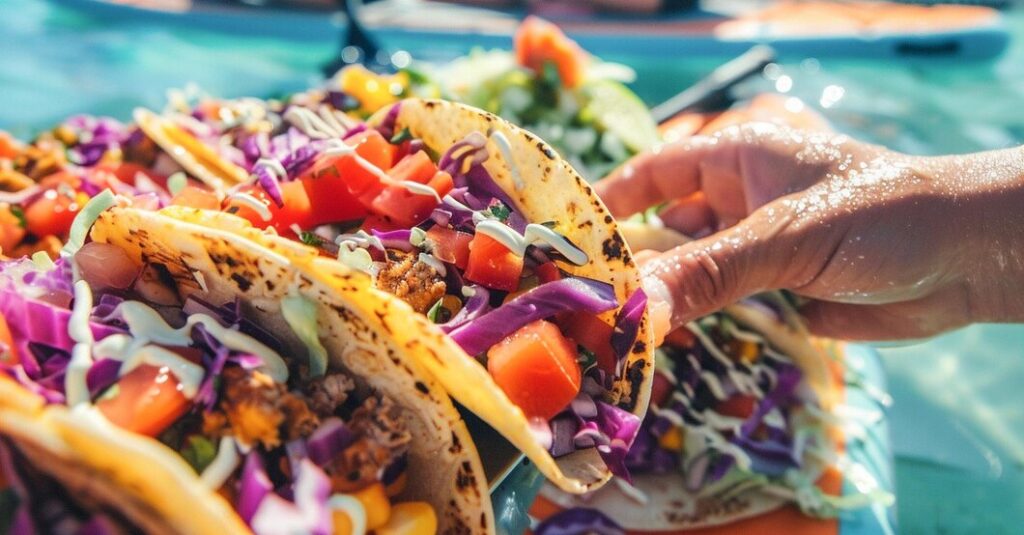
Cultural festivals and events celebrating Mexican cuisine often feature cabeza tacos as a highlight. Keep an eye out for food festivals in your area where you can sample a variety of delicious dishes, including these flavorful tacos.
Conclusion
Cabeza tacos offer a tantalizing glimpse into the rich tapestry of Mexican cuisine. From their humble beginnings to their widespread popularity today, these delicious tacos continue to captivate food lovers around the world. Whether enjoyed from a street vendor in Mexico City or made with love in your own kitchen, cabeza tacos are sure to delight your taste buds with their bold flavors and hearty textures.
FAQs
Are cabeza tacos spicy?
The level of spiciness in cabeza tacos can vary depending on the type of salsa or seasoning used. Some may be mild, while others can be quite spicy. It’s always a good idea to ask the vendor or chef about the heat level before ordering.
Can I make cabeza tacos with chicken or pork instead of beef?
While cabeza tacos traditionally feature beef head meat, you can certainly experiment with other proteins such as chicken or pork. However, keep in mind that the flavor and texture may differ from the traditional version.
Are cabeza tacos suitable for vegetarians or vegans?
Traditional cabeza tacos are made with meat from the head of a cow, so they are not suitable for vegetarians or vegans. However, there are plant-based alternatives available that mimic the flavors and textures of traditional cabeza tacos.
What is the best way to reheat leftover cabeza tacos?
To reheat leftover cabeza tacos, wrap them in foil and warm them in the oven at a low temperature. Alternatively, you can reheat them in a skillet on the stovetop over medium heat until heated through.
Can I freeze cabeza tacos for later?
Yes, cabeza tacos can be frozen for later consumption. Place them in an airtight container or freezer bag and store them in the freezer for up to three months. To reheat, thaw them in the refrigerator overnight and then follow the reheating instructions mentioned above.
Table of Contents

Celery, known as Pravi Celer in some regions, is a versatile, crunchy vegetable celebrated for its numerous health benefits. From being a diet-friendly snack to a key ingredient in soups and juices, Pravi Celer has earned a spot in kitchens worldwide. Its unique combination of nutrients, antioxidants, and hydration properties makes it a powerhouse for overall wellness.
What is Pravi Celer?
Pravi Celer is the common celery plant, scientifically known as Apium graveolens. Characterized by its long, fibrous stalks, crisp leaves, and slightly bitter taste, celery has been used both as food and medicine for centuries. It thrives in moist, fertile soil and is rich in vitamins, minerals, and phytochemicals that promote health.
Read More: Speedwind: The Ultimate Guide to Accelerating Your Success
Nutritional Profile of Pravi Celer
Celery is low in calories but packed with nutrients. A 100-gram serving contains roughly 16 calories, 3 grams of carbohydrates, 0.7 grams of protein, and 0.2 grams of fat. It is a rich source of vitamin K, vitamin C, potassium, folate, and dietary fiber. Its high water content (about 95%) makes it ideal for hydration and detoxification.
Health Benefits of Pravi Celer
Pravi Celer is more than just a crunchy snack—it’s a natural remedy for many health concerns. Its antioxidants, vitamins, and minerals work together to reduce oxidative stress, fight inflammation, and support various bodily functions. From heart health to digestion, celery offers holistic benefits that promote overall well-being.
Pravi Celer for Weight Loss
Due to its low-calorie and high-fiber content, Pravi Celer is a popular choice for weight management. Eating celery increases satiety without adding excessive calories. Fiber slows digestion, stabilizes blood sugar levels, and reduces cravings, making it easier to maintain a calorie-controlled diet while feeling full.
Heart Health and Blood Pressure Management
Celery contains compounds like phthalides, which help relax artery walls and improve blood flow. Regular consumption can support heart health by lowering blood pressure and reducing cholesterol levels. Potassium in celery also aids in balancing fluids and electrolytes, contributing to overall cardiovascular wellness.
Anti-Inflammatory Properties
Inflammation is linked to many chronic diseases, including arthritis and heart conditions. Celery is rich in antioxidants like flavonoids and vitamin C, which combat free radicals and reduce inflammation. Regular intake can help alleviate joint pain and prevent long-term damage caused by oxidative stress.
Digestive Health Benefits
Celery’s high fiber content promotes healthy digestion by adding bulk to stool and facilitating regular bowel movements. It also contains a natural compound called apiuman, which protects the stomach lining and supports gut health. Drinking celery juice can further enhance digestion and reduce bloating.
Skin and Hair Benefits
The vitamins and minerals in Pravi Celer, particularly vitamin C and silica, support collagen production and skin elasticity. This helps reduce wrinkles, improve hydration, and promote a youthful complexion. Additionally, the antioxidants in celery strengthen hair follicles, encouraging healthy growth and reducing hair breakage.
How to Incorporate Pravi Celer into Your Diet
Celery can be enjoyed raw, cooked, or juiced. Raw sticks make a perfect snack with dips like hummus, while adding celery to soups, stews, and stir-fries enhances flavor and nutrition. Chopped celery in salads or blended into smoothies can boost fiber intake and support overall health.
Popular Recipes Using Pravi Celer
Celery is highly versatile in cooking. Classic recipes include celery and peanut butter snacks, chicken and celery soup, stir-fried vegetables, and green smoothies. Celery can also be pickled for a tangy, crunchy treat or added to juices with other vegetables for a detoxifying drink.
Growing Your Own Pravi Celer
For fresh and organic celery, consider growing your own. Celery prefers a cool climate, rich soil, and consistent watering. Starting seeds indoors and transplanting seedlings outside ensures a healthy harvest. Regular pruning and monitoring for pests yield crisp, nutrient-rich stalks year-round.
Pravi Celer Juice and Smoothies
Celery juice has gained popularity as a detoxifying drink. Blending celery with ingredients like lemon, ginger, or cucumber enhances flavor and nutritional benefits. Celery smoothies with fruits like apples or pineapples provide a refreshing, nutrient-dense beverage that supports weight loss, digestion, and hydration.
Potential Side Effects and Precautions
While celery is generally safe, excessive consumption may cause digestive discomfort or interact with certain medications like blood thinners due to its vitamin K content. Allergic reactions are rare but possible. Pregnant women and people with kidney issues should consult a healthcare provider before significantly increasing celery intake.
Pravi Celer vs. Other Vegetables
Compared to other vegetables, celery stands out for its high water content, low calories, and unique phytochemicals. While vegetables like carrots and cucumbers provide similar hydration, celery’s combination of fiber, antioxidants, and anti-inflammatory compounds make it particularly effective for weight management and overall wellness.
Conclusion
Pravi Celer is more than a crunchy addition to your meals—it’s a nutritional powerhouse with multifaceted health benefits. From weight loss and heart health to skin and hair care, celery supports overall well-being in a natural, accessible way. Incorporating celery into your daily routine, whether raw, cooked, or juiced, can lead to lasting health improvements and a revitalized lifestyle.
Read More: Harness Flashcards for Accelerated Learning
FAQs
1. How much celery should I eat daily for health benefits?
A serving of 2–3 celery stalks per day is sufficient for most health benefits, but you can adjust based on your diet.
2. Is celery juice better than eating raw celery?
Celery juice offers concentrated nutrients and easier digestion, but eating raw celery provides more fiber.
3. Can celery help reduce bloating?
Yes, celery promotes digestion and reduces water retention, helping to minimize bloating.
4. Are there any side effects of too much celery?
Excessive consumption may lead to digestive discomfort or interact with certain medications.
5. Can celery be frozen for later use?
Yes, celery can be chopped and frozen, though it may lose some crispness when thawed.

A sunchoke, also known as Jerusalem artichoke, is a tuber from the sunflower family. Despite its name, it has no relation to artichokes or Jerusalem. This knobby, potato-like vegetable is packed with nutrients and offers a delicious, slightly nutty flavor.
Origins and History of Sunchokes
Native to North America, sunchokes were cultivated by Indigenous peoples long before European settlers arrived. They became popular in European cuisine and have been used as a dietary staple for centuries.
Nutritional Benefits of Sunchokes
Sunchokes are a powerhouse of nutrients, offering several health benefits:
- Rich in fiber – Supports digestion and gut health.
- High in inulin – A prebiotic that promotes good gut bacteria.
- Loaded with vitamins and minerals – Especially iron, potassium, and vitamin C.
- Low in calories – A great choice for weight management.
How Sunchokes Benefit Digestive Health
One of the standout qualities of sunchokes is their high inulin content. Inulin is a type of prebiotic fiber that feeds beneficial gut bacteria, improving digestion and boosting immune function. However, some people may experience bloating or gas when eating large amounts.
How to Cook Sunchokes
Sunchokes are versatile and can be cooked in various ways:
- Roasted – Toss with olive oil and spices for a crispy, caramelized texture.
- Mashed – A creamy alternative to mashed potatoes.
- Raw – Thinly sliced in salads for a crunchy, nutty bite.
- Soup – Blended into a velvety, flavorful soup.
Sunchokes vs Potatoes: What’s the Difference?
While sunchokes resemble potatoes, they have some key differences:
- Lower in starch – Sunchokes have a lighter, less dense texture.
- Slightly sweet and nutty – Unlike the mild taste of potatoes.
- Higher in fiber and inulin – Making them a great option for gut health.
Are Sunchokes Good for Diabetics?
Yes! Sunchokes have a lower glycemic index than potatoes, making them a better choice for blood sugar control. Their inulin content helps regulate glucose levels, making them beneficial for diabetics.
How to Store Sunchokes
To keep sunchokes fresh, store them in a cool, dark place like potatoes. Refrigerate in a paper bag for up to two weeks to maintain their texture and flavor.
Delicious Sunchoke Recipes to Try
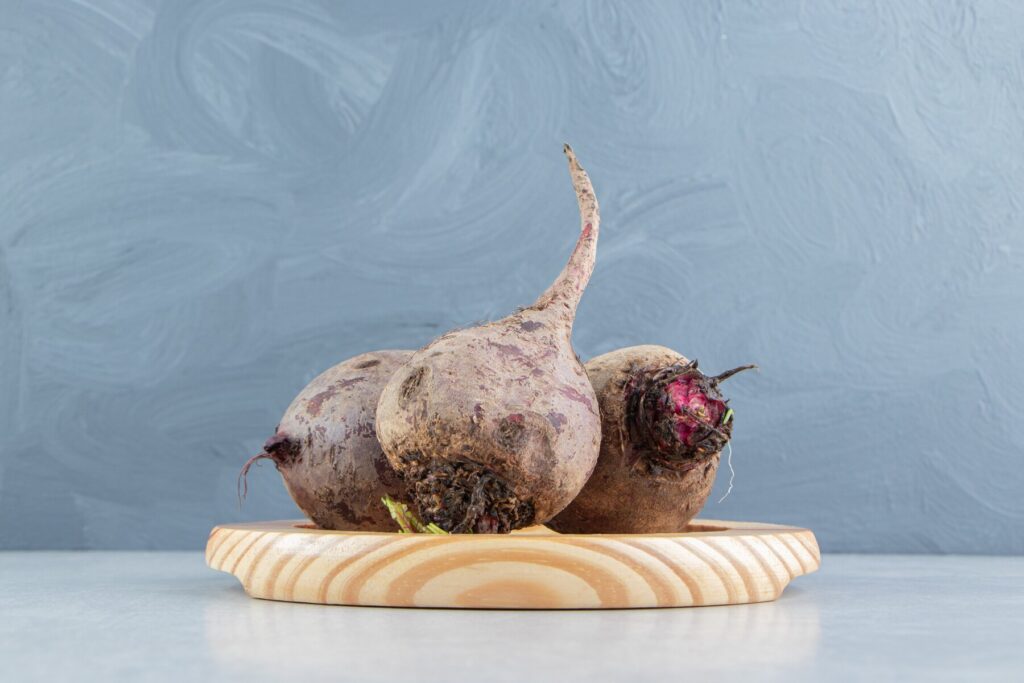
- Roasted Sunchokes with Garlic – A simple yet flavorful side dish.
- Creamy Sunchoke Soup – Warm, comforting, and packed with nutrients.
- Sunchoke Chips – A crispy, healthy snack alternative to potato chips.
Conclusion
Sunchokes are a nutritious, delicious, and versatile root vegetable worth adding to your diet. Whether roasted, mashed, or eaten raw, they offer a unique flavor and impressive health benefits.
FAQs
Do sunchokes need to be peeled?
No, their thin skin is edible, but you can peel them if preferred.
Can sunchokes cause digestive issues?
Yes, their high inulin content can cause bloating in some people, so start with small portions.
Are sunchokes keto-friendly?
They contain some carbohydrates but are lower in starch than potatoes, making them a better choice for low-carb diets.
How do I know when sunchokes are ripe?
Look for firm, smooth tubers without wrinkles or soft spots.
Can I grow sunchokes at home?
Yes! They are easy to grow and thrive in most soil conditions, producing an abundant harvest.
India is a land of diverse cuisines, rich traditions, and ancient cooking techniques. Over the centuries, many traditional dishes have been lost due to modernization, changing lifestyles, and evolving food habits. However, these forgotten recipes are a treasure trove of history and taste, offering unique flavors that deserve a revival. Let’s explore some of India’s lost recipes and bring them back to life!
Noorani Kebab (Mughal-Era Delicacy)
During the Mughal era, kebabs were a royal favorite, and Noorani Kebab was one of the most exquisite dishes. Made with minced meat, almonds, saffron, and rose water, this kebab had a unique floral aroma. Unfortunately, it faded from common use as simpler kebabs became more popular.
👉 Why it disappeared: Complexity in preparation and availability of ingredients like rose water and saffron.
Bhuna Khichuri (Bengal’s Festive Khichdi)
Khichdi is a popular comfort food today, but the rich and aromatic Bhuna Khichuri from Bengal has almost disappeared. Cooked with gobindobhog rice, moong dal, whole spices, and ghee, this version was often served with fried eggplants and begun bharta.
👉 Why it disappeared: Modern versions of khichdi are quicker to make and require fewer ingredients.
Chhena Poda (Odisha’s Burnt Cheesecake)
Long before Western cheesecakes became popular, Odisha had Chhena Poda, a caramelized cottage cheese dessert. Made with fresh chhena (paneer), sugar, and cardamom, it was baked in earthen ovens, giving it a smoky flavor.
👉 Why it disappeared: Traditional baking methods were time-consuming, and it was overshadowed by modern sweets.
Alebele (Goan Sweet Pancakes)
Alebele is a lost Goan dessert that resembles a sweet pancake stuffed with coconut and jaggery. Unlike modern pancakes, this dish had the unique fragrance of nutmeg and coconut milk. It was commonly made during festivals but is now rare.
👉 Why it disappeared: Replaced by more commercially available desserts.
Kalmi Saag (Leafy Green Dish from Uttar Pradesh)
Once a staple in Uttar Pradesh, Kalmi Saag is a nutrient-rich green leafy vegetable that was cooked with garlic, mustard oil, and spices. It had immense health benefits but disappeared as other greens like spinach and fenugreek gained popularity.
👉 Why it disappeared: Modern farming favored other vegetables, and its medicinal properties were forgotten.
Alu Pitika (Assam’s Mashed Potato Delight)
Simple yet flavorful, Alu Pitika is Assam’s version of mashed potatoes, mixed with mustard oil, onions, green chilies, and fresh coriander. This dish was a regular part of Assamese households but is now rarely found outside traditional homes.
👉 Why it disappeared: Modernized diets replaced such simple, rustic dishes with more elaborate curries.
Khar (Ancient Assamese Alkaline Curry)
Khar is a unique alkaline dish made using sun-dried banana peels, lentils, and raw papaya. It was known for its digestive benefits and was an integral part of Assamese cuisine.
👉 Why it disappeared: The complex method of making alkaline water from banana peels made it less convenient in modern kitchens.
Sannata (Spiced Buttermilk from Maharashtra)
Before carbonated drinks and packaged juices, rural Maharashtra had Sannata, a spiced buttermilk drink made with kokum, green chilies, and rock salt. It was a cooling summer drink, full of probiotics and natural electrolytes.
👉 Why it disappeared: Marketed soft drinks and energy drinks replaced traditional cooling beverages.
Phulkari Pulao (Punjab’s Forgotten Rice Dish)
Unlike the famous biryanis and pulaos, Phulkari Pulao was a fragrant rice dish from Punjab made with saffron, dried fruits, and ghee. It was cooked for special occasions but gradually faded into history.
👉 Why it disappeared: Modern-day pulaos became more spice-heavy, and restaurant-style biryanis took over.
Litti Chokha (Bihar’s Rustic Delight)
Litti Chokha was once a staple of Bihar and Jharkhand, made with roasted wheat balls stuffed with sattu (roasted gram flour) and served with mashed potatoes or eggplant. Though it still exists, it has become rare in urban areas.
👉 Why it disappeared: Changing food habits and the rise of fast food culture.
How Can We Revive These Lost Recipes?

✅ Documenting Recipes: Food historians and chefs should write about these dishes to keep them alive.
✅ Cooking at Home: Try recreating these dishes in your own kitchen.
✅ Promoting Local Ingredients: Using traditional grains, oils, and spices can help preserve authentic flavors.
✅ Restaurants & Festivals: Encouraging restaurants to include these dishes on their menus can bring them back to life.
Final Thoughts
India’s lost recipes are a part of its rich culinary history. Reviving them is not just about nostalgia but also about celebrating sustainable, healthy, and delicious food traditions. Which of these dishes would you love to try? Let me know!
-

 Technology4 years ago
Find incredible discounts on top MagSafe chargers this Black Friday 2023!
-

 Business3 years ago
Navigating the great 1 World of IDs Online: A Step-by-Step Guide on How to Acquire One
-

 Technology4 years ago
The Ultimate Great MPPT: Controllers Optimize Solar Power Production With MPPT Controllers 1
-
 Tech2 years ago
Custom Automotive Parts: Why 5-Axis Machining is the Future
-

 Technology3 years ago
Utilizing Solar Energy for Efficient Air Conditioning Systems 2
-
 Technology3 years ago
Harnessing Solar Energy for Fans’ Benefit: History and Pros 1
-

 Technology3 years ago
Utilizing Solar Battery Chargers 5: Sustainable Energy on the Go
-

 Blog3 years ago
Discovering the Ultimate All-New Vivo V27: Leading Smartphone Innovation