
Fashion
The Timeless Appeal of Shawls: A Comprehensive Guide
Ever wrapped yourself in a shawl and felt instantly cozy? Shawls are versatile garments that provide warmth,


Ever wrapped yourself in a shawl and felt instantly cozy? Shawls are versatile garments that provide warmth, style, and a touch of elegance. But what exactly is a shawl? And how has it woven itself into the fabric of various cultures around the world? Let’s dive into the fascinating world of shawls, exploring their types, cultural significance, fashion trends, and more.
Pashmina Shawls
When you think of luxury, a Pashmina shawl likely comes to mind. Originating from the Kashmir region, Pashmina is a fine type of cashmere wool, known for its softness and warmth. These shawls are lightweight yet incredibly warm, making them a favorite during colder months.
Cashmere Shawls
Cashmere shawls are another luxurious option, made from the wool of Cashmere goats. They’re prized for their softness, warmth, and elegant drape. Cashmere shawls can be quite an investment, but their timeless appeal makes them worth every penny.
Wool Shawls
Wool shawls are probably the most common type, offering a balance of warmth and affordability. They come in various styles and thicknesses, making them suitable for different seasons and occasions.
Silk Shawls
Silk shawls add a touch of sophistication to any outfit. They’re lightweight and have a beautiful sheen, perfect for formal occasions or as a light wrap during summer evenings.
Cotton Shawls
Cotton shawls are breathable and versatile, ideal for casual wear. They’re easy to care for and come in a wide range of colors and patterns, making them a staple in many wardrobes.
Shawls in Asia
In Asia, shawls have deep cultural roots. In India, shawls like the Pashmina and Jamavar are part of traditional attire. In Japan, the kimono often includes a shawl-like garment called a haori. Each region has its unique shawl style, reflecting its history and heritage.
Shawls in Europe
European shawls, particularly during the 19th century, were symbols of status and fashion. The Paisley shawl from Scotland, with its intricate patterns, became a favorite among European elites. Today, shawls continue to be a fashion staple in Europe.
Shawls in the Middle East
In the Middle East, shawls are often worn for modesty and protection from the elements. The keffiyeh, for example, is a traditional Arabian headscarf that also serves as a shawl. These garments are rich in history and cultural significance.
Shawls in the Americas
In the Americas, shawls have been embraced by various indigenous cultures. The Navajo, for instance, create beautiful woven shawls that are both functional and ceremonial. In South America, the rebozo is a traditional Mexican shawl used for everything from carrying babies to performing traditional dances.
Traditional Methods
Traditional shawl-making methods are intricate and labor-intensive. In Kashmir, for instance, Pashmina shawls are handwoven using techniques passed down through generations. Each shawl can take months to complete, reflecting the skill and dedication of the artisans.
Modern Techniques
Modern shawl production often involves machine weaving, which can produce shawls more quickly and affordably. While machine-made shawls might lack the unique touch of handwoven ones, they offer a practical option for everyday use.
Handwoven vs. Machine-made
Handwoven shawls are unique pieces of art, often with slight imperfections that add to their charm. Machine-made shawls, on the other hand, offer consistency and are generally more affordable. Both have their place in the world of shawls, depending on what you’re looking for.
Considering the Material
When choosing a shawl, the material is key. Do you want something warm like wool or cashmere, or something light and airy like silk or cotton? Consider the climate and your wardrobe needs.
Matching with Outfits
Shawls are incredibly versatile. You can drape a silk shawl over a little black dress for a night out, or wrap a wool shawl around your shoulders for a cozy day in. Think about the colors and patterns that will complement your existing wardrobe.
Seasonal Considerations
Different shawls are suitable for different seasons. A thick wool shawl is perfect for winter, while a light cotton or silk shawl works well in the summer. Having a variety of shawls ensures you’re covered year-round.
Classic Draping Styles
The classic drape over the shoulders is timeless and elegant. Simply place the shawl around your shoulders and let it hang. This style works well with both casual and formal outfits.
Modern and Trendy Styles
For a modern twist, try belting your shawl at the waist or wrapping it around your neck like a scarf. You can also experiment with asymmetrical draping for a more contemporary look.
Shawl as an Accessory
Shawls aren’t just for warmth—they’re a fantastic accessory. Use a colorful shawl to add a pop of color to a neutral outfit, or choose a shawl with intricate patterns to make a statement.
Washing Instructions
Different materials require different care. Wool and cashmere shawls often need to be dry cleaned, while cotton and some silk shawls can be hand-washed. Always check the care label before washing.
Storing Tips
Store your shawl in a cool, dry place. For delicate materials like Pashmina and cashmere, consider using a breathable fabric bag to protect them from dust and moths.
Repairing and Maintaining
If your shawl gets a snag or tear, don’t despair. Many minor issues can be fixed with a little care and attention. For significant damage, consider taking your shawl to a professional for repair.
Historical Fashion Trends
Shawls have been fashionable for centuries. In the 19th century, the Paisley shawl was all the rage in Europe. Shawls have always been a symbol of elegance and sophistication.
Contemporary Fashion Trends
Today, shawls are making a comeback in the fashion world. From runway shows to street style, shawls are being embraced for their versatility and timeless appeal. Influential designers are incorporating shawls into their collections, making them a must-have accessory.
Influential Designers
Designers like Alexander McQueen and Burberry have popularized shawls in their collections. These designers have reimagined the shawl, incorporating modern patterns and materials while respecting traditional techniques.
Famous Shawls in Movies
Shawls have made memorable appearances in films. Think of Scarlett O’Hara’s luxurious shawls in “Gone with the Wind” or the elegant wraps worn by Audrey Hepburn in “Breakfast at Tiffany’s.”
Shawls and Celebrities
Celebrities often use shawls to add a touch of glamour to their outfits. From royal figures like Kate Middleton to Hollywood stars like Sarah Jessica Parker, shawls are a go-to accessory for the rich and famous.
Shawls in Music and Art
Shawls have also been depicted in music and art. In many classical paintings, women are often shown wearing beautiful shawls, symbolizing grace and femininity. In music, shawls have been referenced in lyrics and album covers, adding to their cultural significance.
Global Market Overview
The global market for shawls is significant, with major producing countries including India, China, and Nepal. The demand for high-quality shawls continues to grow, driven by fashion trends and cultural appreciation.
Major Producing Countries
Countries like India and Nepal are renowned for their shawl production. In India, regions like Kashmir and Himachal Pradesh are famous for their exquisite Pashmina and wool shawls. These shawls are exported worldwide, contributing significantly to the local economies.
Fair Trade and Ethical Practices
As consumers become more conscious of ethical practices, there’s a growing demand for fair trade shawls. Fair trade ensures that artisans are paid fairly and work in safe conditions. Supporting fair trade shawls helps preserve traditional techniques and supports local communities.
Sustainable Materials
The production of shawls can have an environmental impact, depending on the materials used. Sustainable options like organic cotton and ethically sourced wool are becoming more popular. These materials are produced with minimal environmental impact, making them a better choice for eco-conscious consumers.
Eco-friendly Production Methods
Eco-friendly production methods, such as natural dyeing and handweaving, reduce the environmental footprint of shawl production. These methods not only benefit the environment but also ensure that traditional techniques are preserved.
Consumer Choices
As a consumer, you can make a difference by choosing shawls made from sustainable materials and produced ethically. Look for certifications like Fair Trade and Organic to ensure you’re making a responsible choice.
Knitting Your Own Shawl
Knitting your own shawl can be a rewarding project. There are countless patterns available online, catering to all skill levels. Knitting allows you to customize the size, color, and pattern of your shawl, making it a truly unique piece.
Crocheting Shawls
Crocheting is another popular method for making shawls. Like knitting, crocheting offers endless possibilities for customization. Plus, it’s a great way to relax and unwind while creating something beautiful.
Upcycling Old Clothes into Shawls
Got old clothes you don’t wear anymore? Why not upcycle them into a stylish shawl? This eco-friendly project not only gives new life to old garments but also allows you to create a one-of-a-kind accessory.
Why Collect Shawls?
Collecting shawls can be a fascinating hobby. Each shawl tells a story, reflecting the culture and craftsmanship of its origin. Whether you’re collecting vintage shawls or contemporary designs, there’s always something new to discover.
Famous Shawl Collections
Some collectors have amassed impressive shawl collections. Museums and private collectors alike value shawls for their beauty and historical significance. Visiting an exhibition of shawls can be an inspiring experience, showcasing the diversity and artistry of these garments.
Tips for Beginners
If you’re new to shawl collecting, start small. Look for shawls that catch your eye and fit within your budget. As you learn more about different types and styles, your collection will naturally grow. Don’t be afraid to ask questions and seek out knowledgeable sellers or fellow collectors for advice.
Technological Advancements
The future of shawls is exciting, with technological advancements playing a significant role. From innovative materials to new weaving techniques, the shawl industry is continually evolving. These advancements promise even more beautiful and functional shawls in the years to come.
Evolving Fashion Trends
As fashion trends evolve, so do shawls. Designers are constantly finding new ways to incorporate shawls into their collections, ensuring they remain relevant and stylish. Whether it’s through bold patterns, new materials, or unique draping styles, shawls are here to stay.
The Role of Shawls in Modern Wardrobes
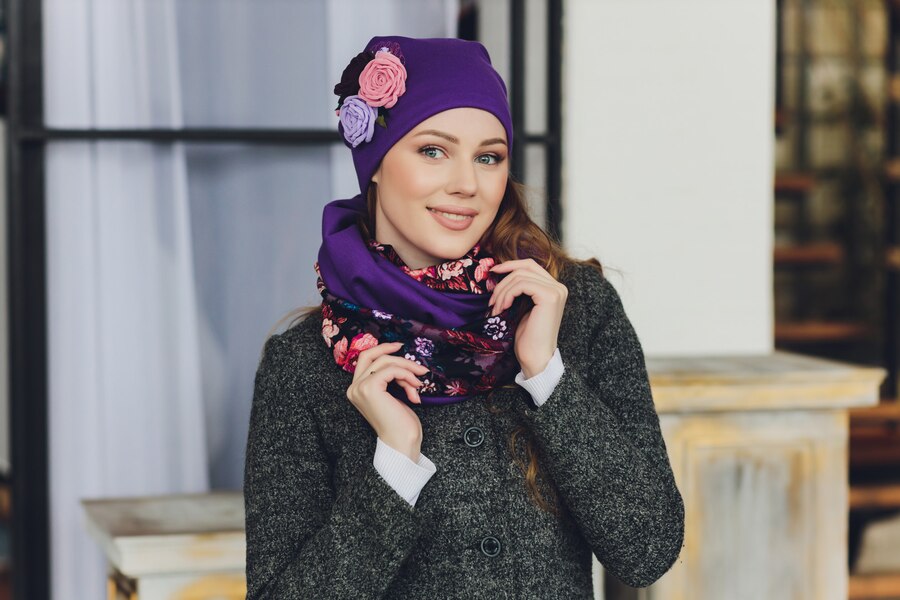
Shawls have a timeless appeal that transcends fashion trends. Their versatility and practicality make them a staple in modern wardrobes. As we move forward, shawls will continue to be cherished for their ability to blend tradition with contemporary style.
Conclusion
Shawls are more than just pieces of fabric—they’re a testament to human creativity and craftsmanship. From their historical roots to their modern-day significance, shawls have woven their way into our hearts and wardrobes. Whether you’re wearing a luxurious Pashmina or a simple cotton wrap, a shawl is a timeless accessory that adds warmth, style, and elegance to any outfit.
FAQs
What is the difference between a Pashmina and a Cashmere shawl?
Pashmina is a type of cashmere, but it specifically refers to the fine wool from the undercoat of Himalayan goats. Cashmere can come from any region and any part of the goat’s coat.
How can I tell if a shawl is handmade?
Handmade shawls often have slight imperfections and unique patterns. You can also look for labels or certificates of authenticity that indicate the shawl is handwoven.
Can I wear a shawl in the summer?
Yes, lightweight shawls made from materials like cotton or silk are perfect for summer. They can add a stylish layer without causing you to overheat.
How do I store my shawls to prevent damage?
Store shawls in a cool, dry place, preferably in a breathable fabric bag. Avoid plastic bags, which can trap moisture and cause damage.
Are there any eco-friendly shawls available?
Yes, many brands now offer shawls made from sustainable materials like organic cotton and ethically sourced wool. Look for certifications to ensure you’re buying an eco-friendly product.
Table of Contents

A blazertje is not just a piece of clothing; it’s a statement of elegance, versatility, and sophistication. Derived from the Dutch word meaning “little blazer,” the blazertje represents a lightweight, stylish jacket that blends casual comfort with polished aesthetics. Whether you’re dressing for a formal meeting, a dinner date, or a casual outing, a blazertje can elevate your appearance instantly. This article explores its origins, types, styling tips, materials, and how it has become a wardrobe essential worldwide.
The Origin and Evolution of the Blazertje
The history of the blazertje dates back to the early 19th century when naval officers wore structured jackets as part of their uniforms. Over time, these jackets evolved from functional wear to fashionable pieces embraced by both men and women. The Dutch adaptation—blazertje—emerged as a more relaxed, versatile version suitable for everyday use, combining the structure of a blazer with the ease of casual wear.
Read More: Co-effy: Understanding Its Unique Appeal in the Fashion World
Why the Blazertje Stands Out in Modern Fashion
The blazertje stands out because it bridges the gap between professional and casual fashion. Unlike a traditional blazer, which is often stiff and formal, the blazertje features softer fabrics and a more relaxed fit. It’s ideal for layering, travel, and transitioning between day and night events. Its unique blend of comfort and refinement has made it a staple in European and global wardrobes alike.
Materials Used in Making a Blazertje
High-quality materials define the comfort and durability of a blazertje. Common fabrics include cotton, wool, linen, polyester blends, and sometimes even velvet. Cotton and linen blazertjes are perfect for warmer months due to their breathability, while wool and polyester versions work best for cooler weather. The choice of fabric influences not only the appearance but also how the blazertje drapes and feels on the body.
The Perfect Fit for Every Body Type
One of the most appealing aspects of a blazertje is its adaptability to various body shapes. A well-fitted blazertje should complement your frame without feeling restrictive. Slim-fit versions create a sleek look, ideal for formal events, while relaxed-fit options offer comfort for casual settings. The key lies in ensuring the shoulders align perfectly, the sleeves reach the wrist, and the waist tapers slightly for a flattering silhouette.
Colors and Patterns That Define Style
From solid neutrals to bold patterns, blazertjes come in a wide variety of designs. Classic colors like navy, black, gray, and beige remain timeless, while checkered, striped, or textured patterns add personality. Modern fashion also embraces bright tones like olive green, maroon, or mustard, giving wearers a chance to express individuality without compromising elegance.
Blazertje for Men
For men, a blazertje offers versatility like no other jacket. It pairs seamlessly with chinos, jeans, or even tailored trousers. A navy or charcoal blazertje can be worn to business meetings, while lighter shades such as beige or pastel tones work well for casual events. Men often prefer unstructured blazertjes for weekend wear, as they offer ease of movement and a laid-back aesthetic.
Blazertje for Women
Women’s blazertjes have evolved into statement pieces that reflect empowerment and fashion sense. From cropped cuts to oversized styles, there’s a design for every mood and occasion. Women often pair their blazertjes with skirts, dresses, or trousers to achieve both professional and chic looks. The versatility of this piece makes it an indispensable part of modern women’s wardrobes.
Styling a Blazertje for Casual Occasions
For casual settings, pair a blazertje with jeans and a plain T-shirt. Add sneakers or loafers to complete the look. This combination provides a balanced blend of comfort and sophistication. Rolling up the sleeves or choosing a lightweight linen blazertje can enhance the relaxed vibe while maintaining a stylish edge.
Styling a Blazertje for Formal Events
When attending formal gatherings, a blazertje can replace the traditional suit jacket for a modern twist. Combine it with a crisp shirt, dress trousers, and leather shoes for men or a blouse and pencil skirt for women. Accessories such as watches, ties, or statement jewelry can further enhance the outfit’s sophistication.
Blazertje and Seasonal Fashion Trends
Blazertjes transition effortlessly through seasons. In summer, opt for pastel colors and breathable fabrics like linen or cotton. During winter, wool or tweed blazertjes provide warmth while maintaining elegance. Layering a blazertje over sweaters or turtlenecks creates a cozy yet professional look suitable for cold weather.
How to Care for Your Blazertje
Maintaining your blazertje properly ensures it lasts for years. Always check the care label before washing. Most blazertjes require dry cleaning, but some cotton or synthetic blends can be hand-washed. Use padded hangers to preserve their shape, and store them in a cool, dry place. Regular steaming helps maintain a wrinkle-free and crisp appearance.
Sustainable Blazertjes: The Future of Fashion
As sustainability gains importance, many brands now produce eco-friendly blazertjes using organic fabrics and ethical manufacturing practices. These garments not only reduce environmental impact but also offer superior comfort. Opting for sustainable materials like organic cotton or recycled polyester is an excellent choice for conscious consumers who value both style and responsibility.
Where to Buy the Best Blazertjes
Blazertjes are available at numerous fashion retailers worldwide. High-end brands like Zara, H&M, Hugo Boss, and Mango offer stylish options for every budget. Online stores provide convenience and variety, allowing shoppers to explore styles, colors, and fits from the comfort of their homes. Always read reviews and size charts before purchasing to ensure the best fit and quality.
Blazertje as a Symbol of Modern Elegance
Beyond fashion, the blazertje has become a symbol of self-expression. It embodies confidence, sophistication, and adaptability—qualities that define modern elegance. Whether worn to an interview, a dinner, or a weekend outing, the blazertje projects poise and assurance. It’s not just a garment; it’s a lifestyle choice for those who appreciate timeless style.
Conclusion
The blazertje continues to reign as one of the most versatile and stylish garments in fashion. Its ability to blend casual comfort with refined elegance makes it suitable for virtually any occasion. From classic colors to sustainable fabrics, the blazertje has evolved to meet the demands of modern wardrobes without losing its charm. Whether you’re dressing up or keeping it casual, owning a blazertje is an investment in timeless sophistication and effortless confidence.
Read More: Patent Leather: The Glossy Icon of Fashion and Style
FAQs
1. What is the difference between a blazer and a blazertje?
A blazertje is typically lighter and less structured than a traditional blazer, offering a more relaxed and casual look.
2. Can a blazertje be worn in all seasons?
Yes, with the right fabric choice—like linen for summer and wool for winter—a blazertje can be worn year-round.
3. How do I choose the right size for my blazertje?
Ensure the shoulder seams align perfectly and the sleeves reach the wrist. A slightly tapered waist enhances the fit.
4. Are blazertjes suitable for both men and women?
Absolutely. Blazertjes are designed for both genders, with styles and cuts tailored to suit various preferences.
5. How should I clean my blazertje?
Most blazertjes require dry cleaning, but some can be gently hand-washed. Always refer to the care label for specific instructions.

Helix earrings have become a statement of style, individuality, and elegance. Positioned on the upper cartilage of the ear, helix piercings offer endless opportunities for customization and creative expression. In this guide, we’ll delve into everything you need to know about helix earrings, from choosing the perfect piercing to exploring trending jewelry styles.
What Is a Helix Piercing?
A helix piercing is located on the upper cartilage of the ear, away from the earlobe. It provides a canvas for diverse jewelry styles and is known for its versatility and sophistication.
Why Are Helix Earrings So Popular?
Helix earrings have gained popularity due to their ability to enhance any outfit. They combine edge with elegance, making them suitable for both casual and formal occasions. Celebrities and influencers often showcase stunning helix jewelry, inspiring fans to adopt the trend.
Types of Helix Piercings
1. Standard Helix Piercing
This piercing is placed along the outer edge of the upper ear. It’s one of the most common and beginner-friendly options.
2. Double or Triple Helix Piercings
Multiple piercings aligned in a row along the helix offer a layered and bold look. These are perfect for those who love to stack earrings.
3. Forward Helix Piercing
Located near the curve where the ear meets the face, the forward helix is a subtle yet striking placement.
4. Industrial Piercing
While not strictly a helix piercing, the industrial involves connecting two helix points with a straight barbell, creating an edgy look.
Getting a Helix Piercing: What to Expect
The Procedure
A professional piercer will use a sterilized needle to create the piercing. The process is relatively quick and involves minor discomfort.
Pain Level
Since cartilage is thicker than the earlobe, a helix piercing may feel slightly more painful. However, the discomfort is brief and manageable.
Healing Time
Helix piercings typically take 6-12 months to heal completely. Proper aftercare is essential during this time.
Helix Piercing Aftercare
1. Cleanliness Is Key
Clean the piercing twice daily with a saline solution to prevent infection.
2. Avoid Touching or Twisting
Minimize contact with the piercing to avoid irritation or contamination.
3. Be Patient with Healing
Cartilage piercings heal slower than lobe piercings, so avoid changing the jewelry prematurely.
Choosing the Perfect Helix Earrings
1. Studs for Minimalist Elegance
Small and subtle studs are perfect for a minimalist look. They are also ideal for initial piercings due to their simplicity and comfort.
2. Hoops for a Bold Statement
Hoops, whether plain or adorned with charms, add a playful and chic touch to your helix piercing.
3. Cuffs and Climbers
Cuff earrings that wrap around the ear or climbers that follow the helix’s curve create an artistic and modern aesthetic.
4. Gemstone Accents
Gemstone helix earrings add sparkle and sophistication. Birthstones or colorful gems can make your jewelry unique and personal.
Trending Helix Earring Styles
1. Gold and Rose Gold
These warm tones are timeless and complement most skin tones.
2. Minimalist Designs
Simple geometric shapes, such as bars and triangles, are in vogue.
3. Nature-Inspired Motifs
Floral, leaf, and celestial-themed earrings are popular among nature lovers.
4. Mix-and-Match Sets
Curate a unique look by combining studs, hoops, and cuffs on the same ear.
The Benefits of Helix Earrings
1. Versatility
Helix earrings work well with various piercings, allowing you to create a cohesive ear stack.
2. Self-Expression
Helix jewelry offers endless customization options, letting you express your personality and style.
3. Timeless Appeal
From delicate to bold designs, helix earrings never go out of style.
Potential Challenges of Helix Piercings
1. Longer Healing Time
Cartilage piercings take longer to heal than lobe piercings, requiring patience.
2. Risk of Infection
Improper aftercare can lead to irritation or infection, making it crucial to follow cleaning guidelines.
3. Limited Sleeping Positions
Sleeping on the pierced side can cause discomfort and prolong healing.
How to Style Your Helix Earrings
1. Layering for Drama
Combine multiple earrings on the helix for a layered look.
2. Monochrome for Simplicity
Stick to one metal tone, such as silver or gold, for a cohesive and polished appearance.
3. Contrasting Styles for Playfulness
Mix edgy pieces, like industrial bars, with dainty studs for a playful contrast.
Famous Celebrities with Helix Earrings
Stars like Rihanna, Emma Watson, and Miley Cyrus have embraced helix earrings, showcasing how this trend can elevate any look. Their bold choices inspire fans to experiment with their own helix jewelry.
Helix Earrings as a Fashion Statement

Helix earrings have transcended mere accessory status to become a powerful fashion statement. Whether you prefer minimalist designs or bold, eclectic combinations, these earrings can transform your look and make you stand out.
Conclusion
Helix earrings are more than just jewelry—they are a testament to individuality and style. With endless options to choose from, they cater to every aesthetic and occasion. Whether you’re new to piercings or a seasoned enthusiast, helix earrings offer the perfect opportunity to experiment and shine.
FAQs
How long does a helix piercing take to heal?
Helix piercings typically take 6-12 months to heal fully.
Can I sleep on my helix piercing?
It’s best to avoid sleeping on the pierced side until it’s fully healed to prevent irritation.
Are helix earrings suitable for sensitive skin?
Opt for hypoallergenic materials, such as surgical steel or titanium, for sensitive skin.
When can I change my helix earring?
Wait until your piercing is fully healed, usually around 6 months, before changing jewelry.
How do I clean my helix piercing?
Use a saline solution and clean the area twice daily to maintain hygiene and prevent infection.

Topo Athletic shoes have carved a niche in the footwear world by blending innovative design, comfort, and functionality. Known for their unique shape and focus on natural movement, these shoes cater to runners, hikers, and fitness enthusiasts. This article delves into the features that set Topo shoes apart and helps you decide if they’re the right fit for your needs.
What Are Topo Shoes?
Topo Athletic is a footwear brand that emphasizes natural foot mechanics. Their designs promote a healthy gait and a comfortable fit while providing the performance features athletes demand.
The Unique Toe Box Design
One standout feature of Topo shoes is their roomy toe box. This design allows your toes to spread naturally, enhancing balance and stability. It’s particularly beneficial for runners and hikers who need extra room during long activities.
Low Heel-to-Toe Drop
Topo shoes typically feature a low heel-to-toe drop, promoting a more natural running or walking posture. This design helps reduce strain on the knees and hips, making them ideal for those transitioning to minimalist footwear.
Durable and Lightweight Materials
Topo uses high-quality materials that balance durability and weight. Their shoes are built to withstand rigorous use without feeling heavy, ensuring comfort during extended wear.
Categories of Topo Shoes
Running Shoes: Designed for road and trail running, these shoes offer a mix of cushioning and responsiveness.
Hiking Shoes: Built with rugged soles and supportive uppers, these are perfect for tackling challenging terrains.
Cross-Training Shoes: Versatile and stable, these are ideal for gym workouts and dynamic activities.
Who Are Topo Shoes For?
Topo shoes are ideal for individuals who value comfort, natural foot movement, and performance. Whether you’re a seasoned runner or someone looking for everyday walking shoes, Topo has options to suit your lifestyle.
Topo’s Commitment to Sustainability
Topo Athletic takes steps toward sustainable practices, such as using eco-friendly materials and reducing waste in their production processes. This commitment resonates with environmentally conscious consumers.
Benefits of Wearing Topo Shoes
Improved Foot Health: The natural fit reduces the risk of blisters and bunions.
Enhanced Performance: The lightweight design and low drop improve speed and efficiency.
Versatility: Topo shoes cater to a range of activities, from casual walking to intense training.
Caring for Your Topo Shoes
To ensure longevity, clean your Topo shoes regularly with mild soap and water. Avoid machine washing or drying, as it may damage the materials.
Popular Models to Consider
Topo Ultraventure: A top choice for trail runners, offering comfort and durability.
Topo Magnifly: Perfect for road runners who need cushioning without compromising responsiveness.
Topo Terraventure: A rugged option for hikers exploring challenging terrains.
Where to Buy Topo Shoes
Topo shoes are available through their official website, major sporting goods stores, and online marketplaces like Amazon. Always check for sizing guides to ensure the perfect fit.
Are Topo Shoes Worth It?
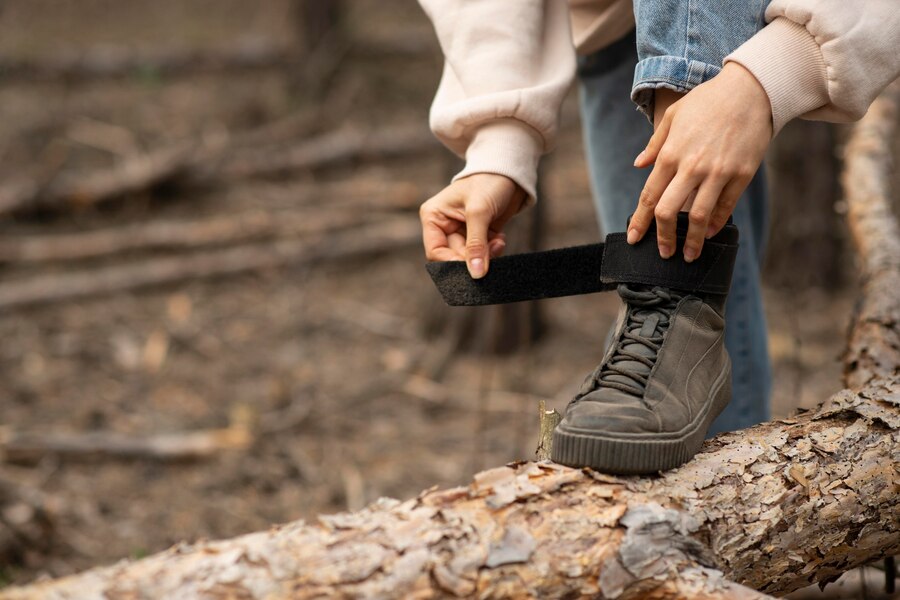
While they might come with a slightly higher price tag, Topo shoes provide excellent value for their quality, comfort, and performance. Investing in a pair means investing in your foot health and overall activity experience.
Conclusion
Topo Athletic shoes offer a unique blend of innovation, comfort, and durability. Their focus on natural foot movement and a wide range of options makes them a standout choice for runners, hikers, and fitness enthusiasts. If you’re looking for a reliable, performance-driven shoe, Topo could be the perfect fit.
FAQs
Are Topo shoes good for beginners?
Yes, Topo shoes are suitable for beginners, especially those transitioning to minimalist footwear.
Do Topo shoes have arch support?
Topo shoes offer moderate arch support, designed to enhance natural foot mechanics.
Can Topo shoes be used for everyday wear?
Absolutely! Many models are versatile enough for daily walking and casual use.
How do I choose the right size for Topo shoes?
Refer to Topo’s sizing guide, and consider ordering a half-size up if you’re between sizes.
Are Topo shoes durable for long-term use?
Yes, Topo shoes are made from high-quality materials, ensuring durability for regular use.
-

 Technology4 years ago
Find incredible discounts on top MagSafe chargers this Black Friday 2023!
-

 Business3 years ago
Navigating the great 1 World of IDs Online: A Step-by-Step Guide on How to Acquire One
-

 Technology4 years ago
The Ultimate Great MPPT: Controllers Optimize Solar Power Production With MPPT Controllers 1
-

 Technology3 years ago
Utilizing Solar Battery Chargers 5: Sustainable Energy on the Go
-

 Technology3 years ago
Utilizing Solar Energy for Efficient Air Conditioning Systems 2
-
 Technology3 years ago
Harnessing Solar Energy for Fans’ Benefit: History and Pros 1
-

 Blog3 years ago
Discovering the Ultimate All-New Vivo V27: Leading Smartphone Innovation
-

 Technology3 years ago
Ultimate Number 1 Solar Power for a Sustainable Future: The Solar Washing Machine Revolution