
Topic
Golu: The Enchanting Festival of Dolls in South India

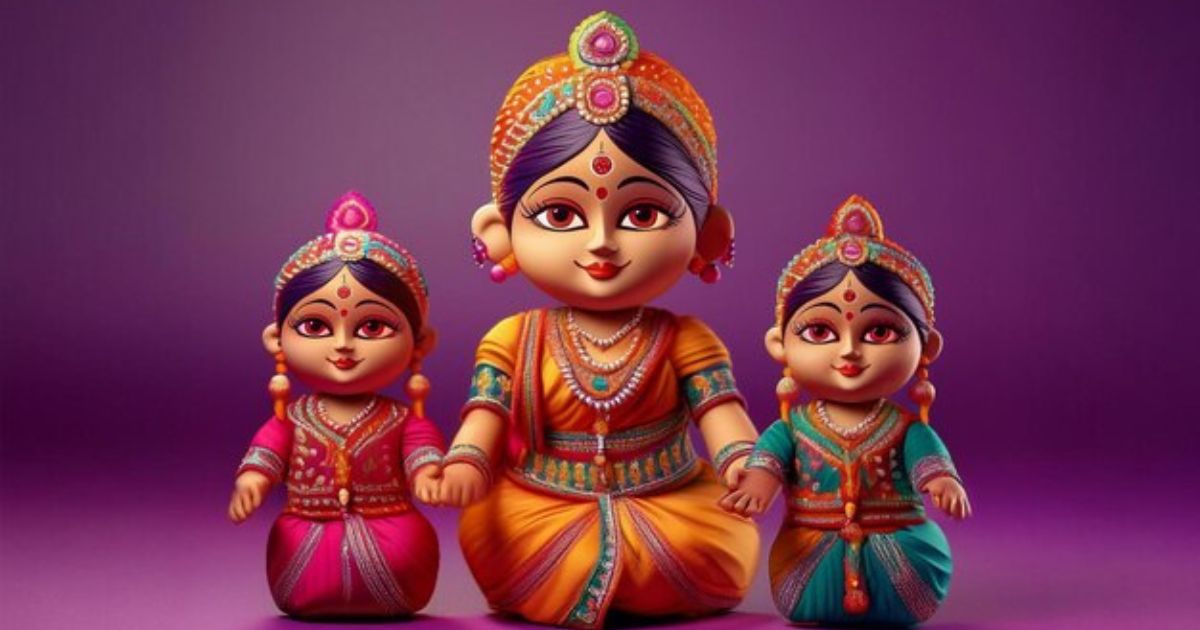
Golu, also known as “Bommai Golu” or “Navaratri Golu,” is a vibrant and culturally rich festival celebrated predominantly in South India, especially in Tamil Nadu and Karnataka. This unique festival involves the display of dolls and figurines arranged in a stepped manner on decorative platforms, representing various themes, stories, and traditions. Celebrated during the festival of Navaratri, Golu serves as a way to honor and worship the divine while fostering community spirit and creativity. In this article, we will explore the origins, significance, customs, and the art of setting up a Golu display.
What is Golu?
Golu is a traditional festival that typically takes place over nine nights, aligning with the Hindu festival of Navaratri, which is dedicated to the worship of the goddess Durga. During Golu, families set up a display of dolls, ranging from traditional clay figurines to modern representations, and invite friends and relatives to visit and participate in the celebrations. The display often reflects a blend of religious devotion, artistic expression, and storytelling.
The Historical Significance of Golu
The origins of Golu can be traced back to ancient times, with references found in various Hindu texts and folklore. The practice of displaying dolls and figurines is believed to have evolved from the traditional worship of deities and ancestors.
Mythological Roots: According to some legends, the festival is linked to the story of Lord Rama, where dolls represent the characters from the Ramayana. It symbolizes the victory of good over evil and the importance of community and family.
Cultural Traditions: Over time, Golu has incorporated various local traditions, leading to diverse interpretations across different regions of South India. Each family often adds their unique touch, making the festival a reflection of their heritage and creativity.
Setting Up the Golu Display
Creating a Golu display is an art form that requires creativity, planning, and attention to detail. Here are the key steps involved in setting up a Golu display:
Choosing the Location: Select a prominent area in your home, such as the living room or hall, where the display can be easily seen and accessed by guests.
Preparing the Steps: Traditionally, Golu displays are arranged in three to nine steps, representing the journey toward spiritual enlightenment. The number of steps may vary based on individual preferences and space availability.
Decorating the Steps: Each step can be adorned with colorful fabrics, flowers, and lights to create an inviting ambiance. Using vibrant cloth as a backdrop adds a festive touch.
Arranging the Dolls: Dolls and figurines should be arranged thematically, representing various aspects of life, mythology, and culture. Common themes include deities, festivals, rural life, and social messages.
Incorporating Nature: Many families include natural elements like fruits, vegetables, and flowers in their displays, symbolizing abundance and gratitude.
Adding Personal Touches: Families often incorporate heirloom dolls or items that hold sentimental value, enhancing the personal connection to the display.
Customs and Rituals Associated with Golu
Golu is not just about the visual display; it is accompanied by several customs and rituals that enhance the festive spirit:
Daily Pujas: Families perform daily prayers and rituals, offering fruits, sweets, and flowers to the displayed dolls. These offerings are considered a gesture of devotion and gratitude.
Visiting Neighbors: One of the most cherished aspects of Golu is inviting friends and family to view the display. This fosters community bonding and allows for the sharing of stories and experiences.
Cultural Programs: Many families organize cultural programs during the festival, including singing, dancing, and storytelling. These events showcase local talent and promote cultural heritage.
Distribution of Prasadam: After the daily puja, families distribute prasadam (sacred food offerings) to guests, symbolizing sharing and generosity.
Golu and Community Spirit
The Golu festival transcends individual households, promoting a sense of community and togetherness. In many neighborhoods, families collaborate to create larger displays, fostering interaction and cooperation. This communal spirit is reflected in the following ways:
Community Golu Displays: Some neighborhoods set up collective Golu displays in public spaces, inviting everyone to participate and celebrate together. This creates a festive atmosphere and encourages cultural exchange.
Cultural Competitions: Local communities often organize competitions for the best Golu display, encouraging creativity and friendly rivalry among families.
Promoting Heritage: Gol,u serves as a platform for passing down traditions and values from one generation to the next. Families share stories and knowledge about the significance of the dolls and the festival itself.
Gol,u in Contemporary Times
In recent years, the celebration of Gol,u has evolved, adapting to modern sensibilities while retaining its cultural essence. Here are some contemporary trends:
Eco-Friendly Practices: With growing awareness of environmental issues, many families are opting for eco-friendly dolls made from sustainable materials, such as clay and natural dyes.
Digital Displays: The use of technology has also found its way into Gol,u celebrations. Some families create virtual displays and share them on social media, allowing a broader audience to appreciate their creativity.
Inclusivity: While Gol,u has traditionally been a male-dominated practice, more women are taking the lead in organizing and showcasing displays, promoting inclusivity and empowerment within families.
Conclusion
Gol,u is a beautiful festival that encapsulates the essence of South Indian culture, celebrating creativity, devotion, and community spirit. The intricate displays of dolls, the vibrant rituals, and the sense of togetherness make Gol,u a cherished tradition for many families. As the festival continues to evolve and adapt to modern times, it remains a testament to the rich heritage and cultural diversity of India, inspiring generations to honor their roots while embracing new ideas.
FAQs
What is the significance of the dolls in Gol,u?
The dolls in Gol,u represent various deities, cultural themes, and social messages. They serve as a medium for storytelling and a way to express devotion.
How long does the Gol,u festival last?
Gol,u is typically celebrated for nine nights during the Navaratri festival, although some families may choose to extend their displays for a few more days.
Can anyone participate in Gol,u celebrations?
Yes, Gol,u celebrations are inclusive, and families often invite friends, neighbors, and community members to view their displays and partake in rituals.
What types of dolls are commonly used in Gol,u?
Common dolls include clay figurines representing gods and goddesses, rural life scenes, and traditional characters from mythology and folklore.
How can I create an eco-friendly Gol,u display?
You can create an eco-friendly Go,lu display by using natural materials for dolls, such as clay and wood, and incorporating fresh flowers and fruits instead of synthetic decorations.


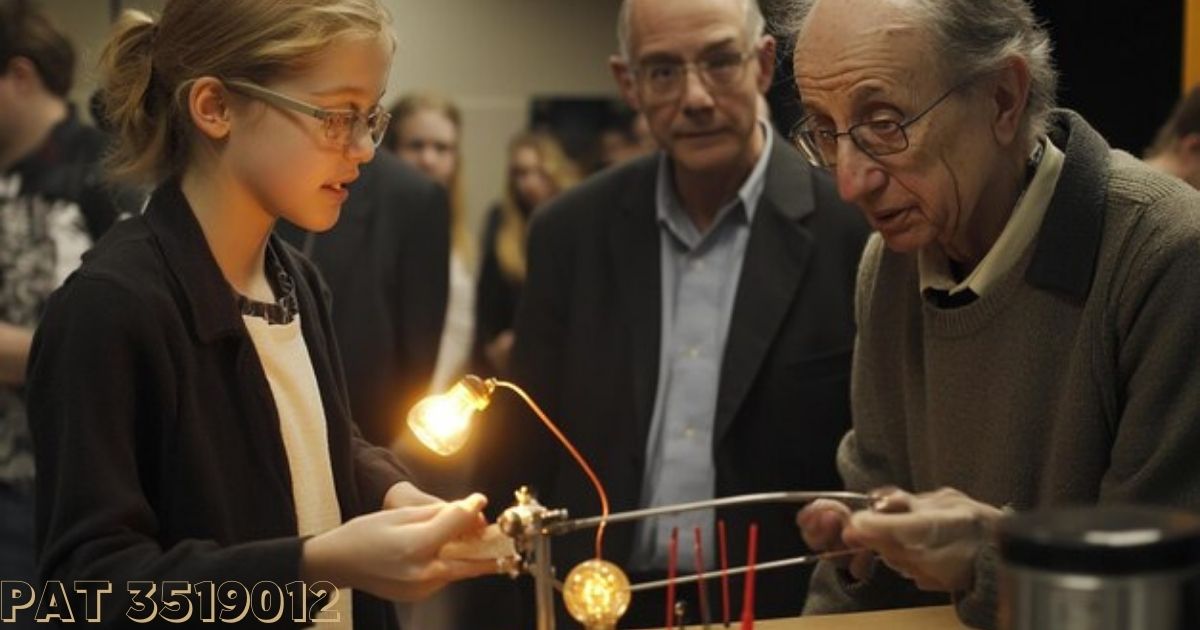
In the rapidly evolving landscape of technology and innovation, patents play a critical role in protecting intellectual property and encouraging creativity. One such patent, PAT 3519012, serves as a vital reference point in its respective field. This article delves into the significance of this patent, its implications for inventors, businesses, and society, and how it shapes future innovations.
What is a Patent?
A patent is a legal right granted by a government to an inventor, providing them exclusive rights to their invention for a specified period, typically 20 years from the filing date. This exclusivity allows inventors to capitalize on their inventions, promoting innovation by ensuring that creators can profit from their ideas without the threat of direct competition.
Overview of PAT 3519012
PAT 3519012 refers to a specific patent that encapsulates a particular invention, technique, or process. While the exact details of this patent will depend on its field and application, understanding its classification, claims, and significance is crucial for anyone interested in intellectual property. The patent often includes descriptions of how the invention works, its practical applications, and diagrams illustrating its functionality.
Importance of Patents in Innovation
Protecting Inventors’ Rights
One of the primary functions of patents is to protect the rights of inventors. When inventors secure a patent, they gain legal authority over their invention, preventing others from manufacturing, using, or selling the patented technology without permission. This legal protection incentivizes inventors to invest time and resources into research and development, knowing they can benefit from their hard work.
Fostering Economic Growth
Patents contribute significantly to economic growth by fostering innovation. When inventors and companies can protect their inventions, they are more likely to invest in new technologies and products. This investment leads to the creation of jobs, the development of new markets, and increased competition, which ultimately benefits consumers through better products and services.
Encouraging Collaboration and Licensing
Patents also encourage collaboration among businesses and researchers. Companies often license their patents to others, allowing them to utilize the technology in exchange for royalties. This system facilitates the sharing of knowledge and resources, leading to faster advancements in technology and more innovative solutions to complex problems.
Navigating the Patent Process
The process of obtaining a patent can be complex, involving several steps that require careful planning and documentation. Here’s an overview of the typical stages involved:
Idea Development
The first step in the patent process is to develop a clear and detailed idea of the invention. This includes understanding its functionality, purpose, and potential applications. Inventors should document their ideas thoroughly to establish a solid foundation for their patent application.
Patent Search
Before filing a patent application, it is advisable to conduct a patent search to determine if similar inventions already exist. This search helps identify potential conflicts and ensures that the invention is unique. Various databases, including the USPTO and Google Patents, provide resources for conducting these searches.
Preparing the Patent Application
Once the invention is confirmed to be unique, the next step is to prepare a patent application. This document includes detailed descriptions of the invention, its claims, drawings, and any relevant background information. Given the complexity of this stage, many inventors seek the assistance of patent attorneys to ensure their application meets all legal requirements.
Filing the Patent Application
After preparing the application, inventors file it with the appropriate patent office. This step usually involves paying a filing fee and providing any necessary documents. The patent office then assigns a patent examiner to review the application for compliance with patent laws and regulations.
Examination Process
The examination process can take several months to years, during which the patent office evaluates the application. The examiner may request additional information, modifications, or clarifications from the inventor. Once the examination is complete, the patent office will either grant or deny the patent.
The Role of PAT 3519012 in Its Field
While the specifics of PAT 3519012 depend on its unique claims and context, we can explore the potential implications it may have within its industry. Depending on its nature, this patent could:
Drive Technological Advancements
If PAT 3519012 introduces a novel technology or process, it could lead to significant advancements in its field. For example, in the tech industry, a patent on a new software algorithm could enhance data processing capabilities, ultimately improving user experiences across various applications.
Influence Market Dynamics
Patents like PAT 3519012 can influence market dynamics by establishing new standards and practices. When a significant patent is introduced, it can shift competitive landscapes, forcing other companies to adapt or innovate to remain relevant.
Enhance Research Opportunities
In fields such as pharmaceuticals or biotechnology, patents can pave the way for further research and development. A patent that protects a new drug formulation might stimulate additional studies exploring its efficacy or potential applications in other areas.
Challenges Associated with Patents
Despite their many benefits, the patent system also faces challenges. Some of these include:
Patent Trolls
Patent trolls are entities that acquire patents not to develop products but to pursue litigation against companies that infringe on their patents. This practice can stifle innovation and create unnecessary legal battles for businesses trying to operate in good faith.Complexity and Cost
The patent process can be daunting and expensive, particularly for individual inventors or small startups. Legal fees, filing costs, and maintenance fees can accumulate quickly, making it difficult for some inventors to protect their innovations.
Lengthy Approval Process
The examination process for patents can take years, delaying the time it takes for inventors to monetize their ideas. This lengthy process can deter some from pursuing patents, potentially hindering innovation.
Future Trends in Patent Law
As technology evolves, patent law must adapt to keep pace with new developments. Some emerging trends include:
Increased Focus on Artificial Intelligence
With the rise of artificial intelligence (AI), patent offices are beginning to address how AI-generated inventions are treated under current patent laws. This area remains contentious, as questions about authorship and ownership arise.
Open Innovation Models
The concept of open innovation, where companies collaborate and share ideas, is gaining traction. This trend could influence how patents are viewed, as businesses seek to balance protection with collaboration for mutual benefit.
Greater Emphasis on Sustainability
As the world faces environmental challenges, there is a growing focus on sustainable technologies. Future patents may increasingly emphasize eco-friendly innovations, reflecting a shift towards a more sustainable future.
Conclusion
PAT 3519012 exemplifies the importance of patents in fostering innovation and protecting the rights of inventors. While the patent process presents challenges, the benefits of securing a patent can significantly outweigh the drawbacks. As technology continues to advance, patents will remain crucial in shaping the future of innovation across various industries.
FAQs
What is the purpose of a patent?
The primary purpose of a patent is to protect the rights of inventors by granting them exclusive rights to their inventions, preventing others from using or selling the patented technology without permission.
How long does a patent last?
A patent typically lasts for 20 years from the filing date, after which the invention enters the public domain.
What are the different types of patents?
There are three main types of PAT 3519012: utility patents (for new inventions or discoveries), design PAT 3519012 (for new ornamental designs), and plant patents (for new plant varieties).
What should I do if I think my invention is unique?
If you believe your invention is unique, you should conduct a PAT 3519012 search to ensure no similar patents exist, then prepare and file a PAT 3519012 application.
Can I patent an idea?
No, you cannot PAT 3519012 an idea alone. You must demonstrate a concrete embodiment of the idea in the form of a detailed invention or process.
-
 Tech2 years ago
Custom Automotive Parts: Why 5-Axis Machining is the Future
-
 News2 years ago
What Does Senior Home Care Include? A Complete Breakdown
-

 Technology4 years ago
Find incredible discounts on top MagSafe chargers this Black Friday 2023!
-

 Business3 years ago
Navigating the great 1 World of IDs Online: A Step-by-Step Guide on How to Acquire One
-

 Technology4 years ago
The Ultimate Great MPPT: Controllers Optimize Solar Power Production With MPPT Controllers 1
-

 Technology3 years ago
Utilizing Solar Battery Chargers 5: Sustainable Energy on the Go
-

 Technology3 years ago
Utilizing Solar Energy for Efficient Air Conditioning Systems 2
-
 Technology3 years ago
Harnessing Solar Energy for Fans’ Benefit: History and Pros 1