
Education
Discovering the Power and Benefits of Twñcel


Twñcel is an emerging concept that blends traditional wisdom with modern science to promote well-being and sustainability. While relatively new to mainstream discussions, Twñcel offers a comprehensive approach to improving our lives. Its practices, ranging from health to environmental sustainability, have profound impacts.
Historical Background of Twñcel
The roots of Twñcel can be traced back to ancient civilizations. These practices were used to promote health and harmony in societies such as ancient Egypt, Greece, and China. Over time, Twñcel has evolved, integrating advancements in science and technology to enhance its effectiveness.
Twñcel in Western Culture
In Western cultures, Twñcel has gained popularity for its ability to improve physical and mental health. Practices such as yoga, meditation, and alternative medicine have become mainstream, helping individuals find balance and well-being.
Twñcel in Eastern Culture
Eastern cultures have long embraced Twñcel for its holistic approach to well-being. Traditional Chinese Medicine, Ayurveda, and other ancient practices form the foundation of Twñcel in these regions, emphasizing balance and harmony in all aspects of life.
Scientific Research on Twñcel
Scientific research has explored the benefits of Twñcel, confirming its efficacy in various areas. Studies have shown that practices associated with Twñcel can improve physical health, reduce stress, and enhance mental clarity. Key findings include improved cardiovascular health, enhanced immune function, and better mental health outcomes.
Medical Applications of Twñcel
Twñcel has found applications in the medical field, particularly in areas such as pain management, stress reduction, and chronic disease prevention. Integrative medicine practices often incorporate elements of Twñcel, providing a holistic approach to patient care.
Technological Innovations in Twñcel
Advancements in technology have enabled the development of new tools and devices that support Twñcel practices. Apps for meditation, wearables that monitor health metrics, and virtual reality experiences for relaxation are just a few examples of how technology enhances Twñcel.
Practical Uses of Twñcel in Everyday Life
Incorporating Twñcel into daily routines can be simple and effective. Practices like mindful breathing, regular physical activity, and a balanced diet are fundamental aspects of Twñcel. These practices promote overall well-being and can be easily integrated into busy lifestyles.
Physical Health Benefits of Twñcel
Twñcel promotes physical health through improved nutrition, regular exercise, and stress management techniques. These practices contribute to overall well-being and longevity, helping individuals lead healthier lives.
Mental Health Benefits of Twñcel
The mental health benefits of Twñcel are well-documented. Techniques such as mindfulness meditation and yoga help reduce anxiety, improve mood, and enhance cognitive function. These practices support mental clarity and emotional balance.
Environmental Impact of Twñcel
Twñcel practices often emphasize environmental sustainability. This includes reducing waste, conserving resources, and adopting eco-friendly habits. By promoting a lifestyle that is in harmony with nature, Twñcel encourages practices that benefit both individuals and the planet.
Challenges and Controversies of Twñcel
While Twñcel offers numerous benefits, it is not without its controversies. Ethical concerns, particularly regarding the commercialization of traditional practices, have sparked debates. The integration of Twñcel into modern healthcare and daily life continues to be a topic of discussion among experts.
Future Trends in Twñcel
The future of Twñcel looks promising, with trends pointing towards greater acceptance and integration into mainstream society. Innovations in technology and increasing awareness about holistic health are driving this growth. Potential developments include new therapeutic practices and advanced technological tools.
How to Incorporate Twñcel in Your Life
Incorporating Twñcel into your life can start with small changes. Begin with mindful breathing exercises, integrate more natural foods into your diet, and practice regular physical activity. Setting realistic goals and being consistent can enhance your Twñcel journey. Joining a community that practices Twñcel can provide additional support.
Common Misconceptions about Twñcel
There are many myths surrounding Twñcel. Some believe it is purely spiritual, while in reality, it encompasses a wide range of practical and scientific practices. Clarifying misconceptions involves educating oneself and others about the true nature of Twñcel, which is both practical and beneficial.
Twñcel in Popular Media
Twñcel has been featured in numerous books, movies, and TV shows, reflecting its growing popularity and cultural significance. Its influence on pop culture is evident in the increasing number of celebrities and influencers who advocate for Twñcel practices.
Personal Stories and Testimonials about Twñcel
Personal stories and testimonials provide powerful evidence of Twñcel’s impact. Many individuals have shared their transformative experiences, highlighting the benefits they have received. These real-life examples showcase the profound impact Twñcel can have on health and well-being.
Conclusion
Twñcel is a comprehensive approach to well-being that integrates traditional wisdom with modern science. Its applications are vast, spanning health, technology, and environmental sustainability. Embracing Twñcel can lead to a healthier, more balanced life. By understanding its principles and incorporating its practices, individuals can achieve greater well-being and contribute to a more sustainable world.
FAQs
What is Twñcel?
Twñcel is a holistic approach to well-being that combines traditional practices with modern science to enhance physical, mental, and environmental health.
How can Twñcel benefit me?
Twñcel offers numerous benefits, including improved physical health, reduced stress, better mental clarity, and a more sustainable lifestyle.
Are there any risks associated with Twñcel?
While generally safe, it’s important to approach Twñcel practices with proper guidance and be aware of any personal health considerations.
How can I start using Twñcel?
Start by incorporating simple practices like mindful breathing, regular exercise, and a balanced diet. Gradually explore more advanced techniques and seek expert advice if needed.
Where can I learn more about Twñcel?
You can learn more about Twñcel through books, online resources, workshops, and by connecting with communities that practice it.

Why Exam Dumps Still Surface Despite Growing Awareness
Even with years of warnings, certification exam dumps continue to circulate. Many candidates encounter them accidentally while searching for study help, while others actively seek them under time pressure. The persistence of dumps isn’t always about intent—it’s often about misunderstanding.
In 2026, certification exams are more complex, adaptive, and job-focused than ever. Yet many dump sources still present preparation as a memory exercise. This disconnect creates hidden issues that candidates don’t notice until it’s too late.
This blog unpacks the less obvious problems with certification exam dumps and outlines safer alternatives that align with modern exams and real career outcomes.
The Hidden Issues Candidates Rarely Notice at First
Hidden Issue #1: Partial Truths Create Overconfidence
Dump materials often mix correct answers with incorrect reasoning. Because some answers appear right, candidates assume the rest is reliable. This partial accuracy is dangerous—it builds confidence without understanding.
Hidden Issue #2: Context Is Stripped Away
Modern exam questions rely on context: constraints, priorities, and trade-offs. Dumps remove that context, reducing complex decisions to single-line answers. When the real exam reintroduces nuance, candidates struggle.
Hidden Issue #3: Outdated Assumptions Linger
Even when topics look current, dumps frequently reflect:
- Retired objectives
- Older product versions
- Deprecated best practices
Candidates unknowingly prepare for exams that no longer exist.
How Dumps Quietly Undermine Exam Performance
They Train the Wrong Reflex
Dumps train candidates to search for keywords instead of analyzing scenarios. In adaptive exams, this habit backfires as questions evolve based on responses.
They Reduce Learning Efficiency
Time spent memorizing answers could have been used to understand one concept deeply. Dumps often increase study time while decreasing learning quality.
Why These Issues Extend Beyond the Exam
Interview Gaps Become Obvious
Candidates who pass with memorization often can’t:
- Explain why a choice was best
- Compare alternatives clearly
- Apply concepts to new problems
Interviewers notice this quickly.
On-the-Job Confidence Suffers
Without conceptual grounding, new hires hesitate, double-check basic decisions, and struggle to adapt. This impacts performance and growth.
What Safer Alternatives Look Like in Practice
Concept-First Learning
Safer preparation starts with understanding:
- Core principles
- System behavior
- Why trade-offs matter
This foundation supports any question variation.
Scenario-Based Reinforcement
Working through scenarios builds:
- Judgment
- Prioritization skills
- Calm decision-making
These are exactly what modern exams reward.
Some candidates choose to reinforce learning with structured practice that emphasizes explanations and reasoning. In that context, Cert Mage practice resources can be used as a way to test understanding without relying on memorized answers: https://certmage.com/
How to Replace Dumps With Smarter Study Habits
Use the Exam Blueprint as a Filter
Anything not mapped to the blueprint is a distraction. This alone removes most low-quality material.
Practice After Learning, Not Before
Practice should confirm understanding, not introduce topics. Reviewing explanations—especially for correct answers—accelerates improvement.
Time-Based Review
Spacing study sessions improves retention and reduces exam anxiety more than last-minute cramming.
Spotting Safer Prep Quickly
Before using any resource, ask:
- Does it explain reasoning clearly?
- Does it adapt to scenarios?
- Is it aligned with current objectives?
- Would it help me answer a different version of the same question?
If not, it’s not a safe alternative.
Where Neutral Exam Guidance Fits
Many candidates begin by clarifying exam structure, domains, and expectations using neutral certification overviews. This helps set direction before investing time in deeper study and avoids falling into dump-based traps late in the process. https://certempire.com/
Placing guidance late in the process—after understanding the risks—helps candidates choose preparation paths intentionally rather than reactively.
Why Safer Alternatives Improve Scores Naturally
Candidates who prepare ethically:
- Adapt better to new questions
- Manage exam pressure calmly
- Score more consistently
- Carry skills into interviews and roles
Their success comes from alignment, not shortcuts.
Final Thoughts
Certification exam dumps carry hidden issues that go far beyond policy concerns. They quietly undermine understanding, distort confidence, and weaken long-term performance. In 2026, these drawbacks are amplified by exams that demand reasoning and adaptability.
Safer alternatives—concept-first learning, scenario practice, structured review, and ethical practice—produce better results with less stress. When preparation matches how exams and jobs actually work, success follows naturally.

In the age of digital transformation, staying connected with your child’s education has never been easier. The Brio Parent Portal is a streamlined online platform designed to bridge the gap between parents and schools, offering a centralized hub for everything from grades to attendance records. With features that cater to both parents and teachers, Brio Parent Portal helps keep everyone on the same page, ensuring students get the best support possible at home and in the classroom.
What is the Brio Parent Portal?
The Brio Parent Portal is a digital tool that serves as an online gateway for parents to access their child’s academic records, including grades, attendance, assignments, and school announcements. This secure platform is designed to keep parents informed and involved in their child’s educational journey, creating a more collaborative environment for student success.
Key Features of the Brio Parent Portal
Understanding the features of the Brio Parent Portal can help you make the most out of this resource. Here are some of the main offerings:
Grade Monitoring: View your child’s grades in real-time, track their academic performance, and identify areas that may need additional support.
Attendance Tracking: Keep up with your child’s attendance record, so you’re immediately aware of any missed days.
Assignment Updates: Get updates on upcoming assignments and project deadlines.
School Announcements: Stay in the loop with school-wide announcements and important notices.
Communication with Teachers: Send and receive messages from teachers directly within the portal, making communication more efficient.
How to Access the Brio Parent Portal
Obtain Login Credentials
Before you can access the portal, the school will provide you with unique login credentials. These usually consist of a username (often your email address) and a password.
Visit the Brio Parent Portal Website
Once you have your login details, navigate to the official Brio Parent Portal website.
Enter Your Credentials
Input your username and password to access the platform. Most schools require a secure password, so make sure yours meets the specified criteria.
Explore the Dashboard
Once logged in, you’ll find a dashboard where you can navigate through different sections, including grades, attendance, assignments, and more.
Why Use the Brio Parent Portal?
The Brio Parent Portal offers significant benefits to both parents and students. It enhances communication, reduces administrative hurdles, and provides peace of mind by keeping parents informed about their child’s academic progress. Here’s a closer look at why the Brio Parent Portal is a valuable tool:
Enhanced Transparency: With access to real-time academic information, you’re always aware of your child’s standing.
Improved Communication: The messaging feature allows parents and teachers to communicate directly, facilitating a collaborative approach to a child’s education.
Time-Saving: By centralizing all essential information, parents save time they might otherwise spend contacting teachers or waiting for progress reports.
Increased Student Accountability: When parents are informed, students are more likely to take their responsibilities seriously, as they know their parents have access to their progress.
Navigating the Brio Parent Portal Dashboard
The dashboard is the main page you’ll see upon logging into the portal. Here’s what you can expect:
Grades Section: Review grades for each subject, often displayed in a simple, easy-to-read format.
Attendance Tab: Track attendance history, including excused and unexcused absences.
Assignments Area: Access assignment lists, due dates, and submission statuses.
Announcements Section: Check for school-wide notices, updates, or policy changes.
Messages Box: Communicate directly with teachers or school administrators.
Checking Academic Performance
One of the primary reasons parents use the Brio Parent Portal is to monitor academic performance. In this section:
Grade Overview: You can see an overview of all subjects along with grades and scores, making it easy to identify strong and weak areas.
Progress Reports: Some schools update progress reports periodically, providing parents with a deeper insight into student improvement over time.
Tracking Attendance with Ease
The attendance feature lets parents monitor daily attendance records and look for patterns in absenteeism. This tool also:
Notifies Parents: Receive alerts if your child is marked absent or tardy, ensuring quick awareness of any attendance issues.
Supports Communication: If absences are frequent, it opens the door for proactive discussions with teachers or counselors.
Staying Updated on Assignments and Deadlines
The assignments section helps parents stay informed about homework, upcoming projects, and exams. It also allows you to:
Check Deadlines: Know exactly when assignments are due, so you can help your child manage time effectively.
View Submission Status: See whether assignments have been turned in or if they’re overdue, giving you a chance to encourage your child to meet deadlines.
Effective Communication with Teachers
One of the most valuable features of the Brio Parent Portal is the messaging tool. With it, you can:
Send Direct Messages: Reach out to teachers quickly and easily, discussing academic concerns or other matters.
Receive Important Updates: Teachers can also send you messages directly, ensuring you don’t miss vital information.
Ensuring Student Privacy and Security
Brio Parent Portal takes security seriously to protect student data. Some key security features include:
Data Encryption: Ensures all information is stored securely and only accessible to authorized users.
Password Protection: Requires complex passwords to prevent unauthorized access.
Privacy Policies: Clear policies protect student privacy and align with educational privacy standards.
Tips for Parents Using the Brio Parent Portal
Here are a few tips for making the most out of the Brio Parent Portal:
Log In Regularly: Frequent logins help you stay updated on your child’s progress and catch any issues early.
Communicate with Teachers: Don’t hesitate to reach out if you have concerns or need clarification.
Encourage Your Child: Use the portal as a way to support and motivate your child to improve or maintain their grades.
Benefits of Brio Parent Portal for Schools
While the portal is a great resource for parents, it also benefits schools by:
Reducing Paperwork: Digital access reduces the need for physical reports, saving time and resources.
Promoting Parent Involvement: Schools see greater parent engagement, which can lead to improved student performance.
Streamlining Communication: Teachers and administrators can easily send out important notices and updates.
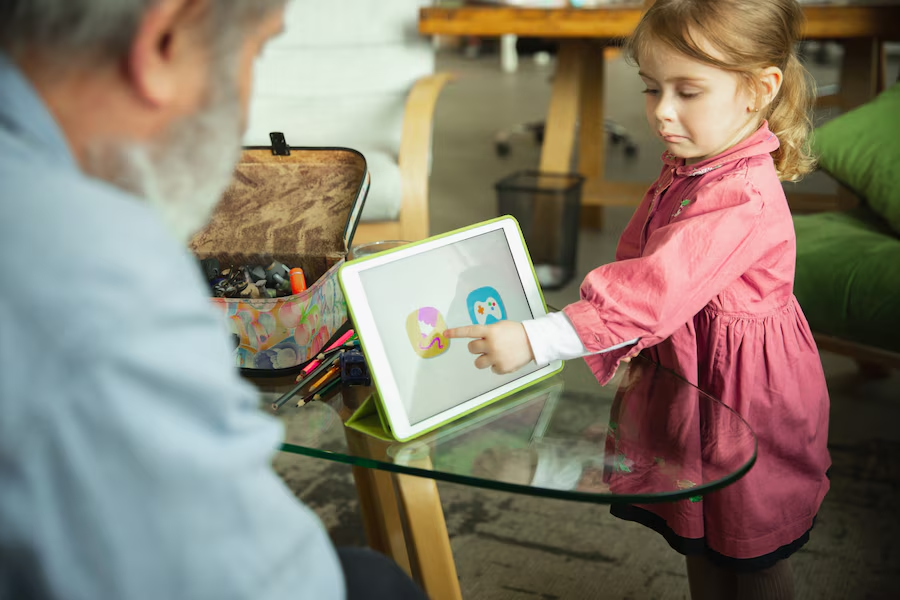
Potential Drawbacks of the Brio Parent Portal
While beneficial, there are a few potential drawbacks to be aware of:
Dependence on Technology: Parents without reliable internet access may find it harder to use the portal.
Privacy Concerns: Although secure, some parents may have concerns about data privacy in online portals.
Technical Glitches: Like any digital tool, the portal may sometimes experience downtime or errors.
Conclusion
The Brio Parent Portal is an invaluable resource that supports parental involvement in education, offering real-time access to academic performance, attendance, assignments, and school announcements. With this tool, parents are better equipped to stay informed, actively participate in their child’s education, and maintain open lines of communication with teachers.
FAQS
Is the Brio Parent Portal free for parents?
Yes, most schools provide access to the Brio Parent Portal free of charge.
Can I access the Brio Parent Portal from a smartphone?
Absolutely! The portal is mobile-friendly and accessible from smartphones and tablets.
How do I reset my Brio Parent Portal password?
You can reset your password by following the “Forgot Password” link on the login page.
Is my child’s data secure on the Brio Parent Portal?
Yes, the portal employs strong encryption and security measures to protect student data.
Can both parents access the Brio Parent Portal?
Yes, both parents can have their own logins, provided by the school, to access the portal.

Grade 2 Learning is a critical stage in a child’s academic and personal growth. This is the time when students not only build upon the foundational skills they learned in Grade 1 but also start to develop more complex cognitive abilities. The curriculum at this level is designed to encourage curiosity, creativity, and social interaction while nurturing academic success. Let’s explore the key aspects of Grade 2 learning, from literacy and numeracy to emotional and social development, and how these elements contribute to a well-rounded educational experience.
Language Arts in Grade 2
Expanding Vocabulary In Grade 2 Learning, students are introduced to a wider variety of words, helping them grow their vocabulary. Teachers use activities like reading, spelling, and word games to expose children to new words and encourage them to use them in sentences. This is important as a strong vocabulary supports reading comprehension and writing skills.
Building Reading Fluency At this stage, children work on reading more complex texts with greater fluency. They are taught to recognize sight words and use context clues to understand unfamiliar terms. The focus is on reading smoothly, with proper intonation and understanding, which aids in the development of strong literacy skills.
Enhancing Writing Skills Second graders begin writing more structured pieces, such as stories, letters, and simple reports. They are encouraged to use proper punctuation, capitalization, and grammar. Creative writing is often integrated into the curriculum to help students express their thoughts and ideas clearly.
Mathematics in Grade 2
Strengthening Basic Arithmetic In Grade 2 Learning students continue to practice addition and subtraction, often with larger numbers. They are introduced to the concept of carrying over in addition and borrowing in subtraction. This is an essential skill as it lays the groundwork for future mathematical concepts like multiplication and division.
Introducing Geometry and Measurement Students are introduced to basic geometry, learning about shapes, sizes, and spatial relationships. Measurement is another key topic, where they learn to measure objects using units like centimeters and inches. These skills are applied in real-world scenarios, making math more relatable and engaging for young learners.
Problem-Solving and Critical Thinking Problem-solving becomes a bigger focus in Grade 2 Learning math. Students are given word problems that require them to apply their arithmetic skills in practical situations. This helps develop critical thinking and analytical skills, which are crucial for academic success.
Science in Grade 2
Exploring the Natural World Science in Grade 2 Learning2 is all about curiosity and discovery. Students learn about different habitats, animals, and the weather. Teachers often incorporate hands-on experiments and outdoor activities to help children observe and understand the natural world.
Introduction to Simple Machines Students are also introduced to the concept of simple machines, such as levers, pulleys, and wheels. These lessons are typically presented in a fun, interactive manner, using toys or household objects to demonstrate how these machines work in everyday life.
Basic Earth and Space Concepts Children in Grade 2 Learning start learning about the Earth, the solar system, and the water cycle. These topics are usually explored through projects, visual aids, and storytelling to make the concepts easier to grasp and more engaging.
Social Studies in Grade 2
Understanding Communities In social studies, Grade 2 students begin learning about their community and the various roles people play in it. This includes understanding the functions of community helpers like police officers, firefighters, and teachers. It fosters a sense of responsibility and belonging in society.
Learning About Maps and Geography Students are introduced to basic map-reading skills and geographical terms like continents, oceans, and landmarks. This not only broadens their understanding of the world but also develops their ability to think spatially.
Cultural Awareness and Diversity Grade 2 Learning social studies also emphasize the importance of cultural diversity. Children learn about different cultures, traditions, and holidays around the world. This helps foster an appreciation for diversity and teaches them the value of inclusiveness and respect.
Emotional and Social Development
Developing Empathy and Cooperation Grade 2 Learning is a crucial time for emotional and social development. Children are encouraged to work in groups, share, and take turns. Through group activities and class discussions, they learn how to cooperate with others and understand different perspectives.
Building Self-Confidence At this stage, teachers focus on helping students build self-confidence by praising effort and improvement. Positive reinforcement encourages children to take on challenges without the fear of failure. This is vital for their overall emotional well-being and academic growth.
Conflict Resolution Skills Second graders are also taught basic conflict resolution skills. They learn how to express their feelings, listen to others, and find peaceful solutions to disagreements. These skills are essential for developing strong interpersonal relationships.
Physical Development and Education
Enhancing Motor Skills In physical education, Grade 2 Learning students continue to develop their fine and gross motor skills. Activities like running, jumping, and catching are incorporated into their play to help them build coordination and strength.
Learning About Healthy Habits Students are also introduced to the importance of healthy habits, including exercise, hygiene, and nutrition. They learn about the benefits of eating a balanced diet and staying active, which are important for their physical and mental well-being.
Art and Creativity
Encouraging Artistic Expression Grade 2 students are given plenty of opportunities to explore their creativity through art. Whether it’s drawing, painting, or crafting, these activities help children express themselves in unique and imaginative ways.
Developing Fine Motor Skills Art activities also play a role in developing fine motor skills. Holding a paintbrush, cutting with scissors, and molding clay all require precision and control, which enhance hand-eye coordination.
Music and Performing Arts
Learning Rhythm and Melody In music class, students begin to learn about rhythm, melody, and different musical instruments. Singing, clapping, and playing simple instruments like the tambourine are common activities that foster a love for music and improve auditory skills.
Boosting Confidence Through Performance Performing arts, such as school plays and recitals, give Grade 2 students the chance to build their confidence by performing in front of an audience. This helps them overcome stage fright and develops public speaking skills.
Technology and Digital Literacy
Introduction to Basic Computer Skills In today’s digital age, Grade 2 Learning students are often introduced to basic computer skills. They may learn how to type, use educational software, and navigate simple websites. These skills are becoming increasingly important in a tech-driven world.
Online Safety and Responsibility Students are also taught the basics of online safety, including the importance of not sharing personal information and how to recognize safe websites. This prepares them for responsible internet use as they grow older.
Conclusion
Grade 2 Learning is an exciting and formative year for children as they continue to develop their academic, social, and emotional skills. The diverse range of subjects, from language arts to physical education, provides a well-rounded education that sets the foundation for future learning. As students navigate this important stage, they gain valuable skills that prepare them for the challenges and opportunities that lie ahead.
FAQs
What are the key skills learned in Grade 2? In Grade 2 Learning, children develop literacy, numeracy, problem-solving, and social skills. They also begin to explore science, social studies, and physical education more deeply.
How does Grade 2 math differ from Grade 1? Grade 2 Learning math introduces more complex addition and subtraction, basic geometry, and measurement. It also focuses on problem-solving and critical thinking.
What social skills are taught in Grade 2? Children learn about empathy, cooperation, and conflict resolution. These skills are taught through group activities, discussions, and role-playing.
How do second graders learn about the natural world? Through hands-on experiments and outdoor activities, second graders explore topics like habitats, weather, and simple machines in their science curriculum.
What role does technology play in Grade 2? Students begin to learn basic computer skills, including typing and using educational software. Online safety is also introduced at this stage Grade 2 Learning.
-
 Tech2 years ago
Custom Automotive Parts: Why 5-Axis Machining is the Future
-
Blog1 year ago
Save up to 40% this Prime Day 2025 — Proscenic’s summer-ready vacuums start at just £99
-
 News2 years ago
What Does Senior Home Care Include? A Complete Breakdown
-
 Lifestyle3 years ago
Popular People: Who They Are and Why They Matter
-
 Blog2 years ago
Luxury Denim and Avant-Garde Designs: Discover JUUN.J and Designer Jeans
-
 Music2 years ago
Discover Free Music Downloads on Tubidy: A Comprehensive Guide
-
 Entertainment2 years ago
The Captivating World of luѕт оf тне Dеаd 2
-

 Technology3 years ago
The 5 Great Resilience by Technology And Design – RTD” is scheduled. third edition of the International Scientific Conference