
Topic
Horse Blinkers: Enhancing Focus and Safety in Equine Sports

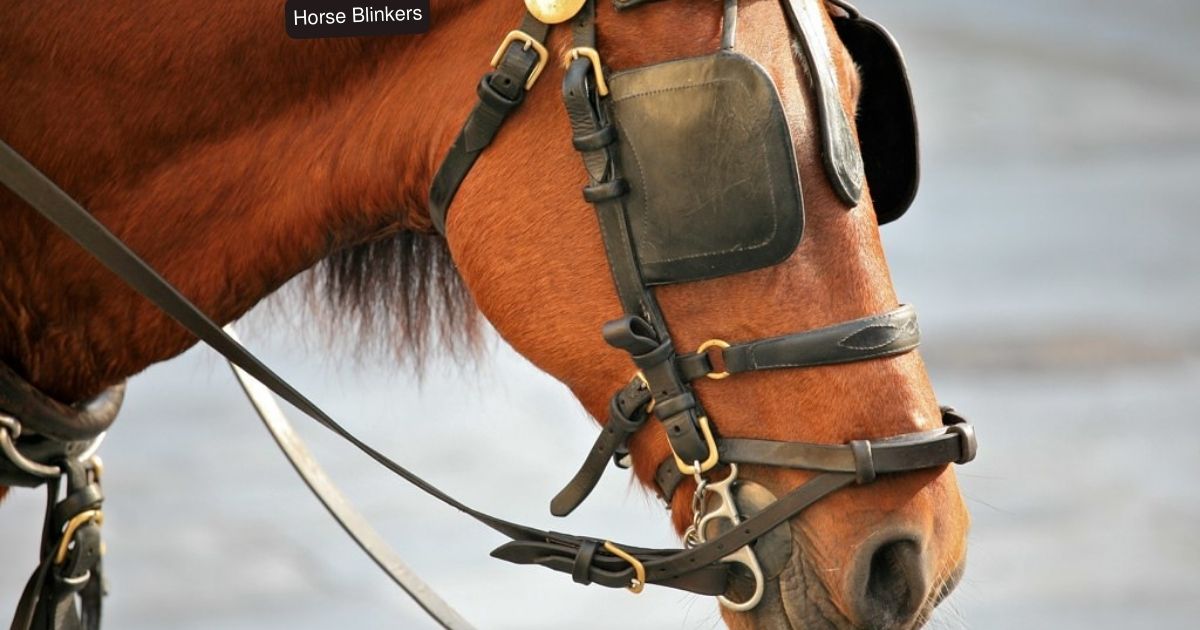
Horse Blinkers, sometimes called “blinders,” are pieces of tack placed on the sides of a horse’s bridle. These eye covers, which limit a horse’s peripheral vision, help maintain focus, reduce stress, and enhance the horse’s performance and safety. Particularly popular in horse racing and competitive events, blinkers are essential for managing a horse’s attention and minimizing distractions.
The Role of Blinkers in Equine Vision
Horses have a broad field of vision due to the lateral positioning of their eyes. While this helps them remain aware of their surroundings, it can also lead to distractions. Blinkers restrict the horse’s side and rear vision, narrowing their field of view to primarily what’s in front of them. This selective vision helps the horse remain calm and attentive, especially in fast-paced and high-stress environments.
Why Are Blinkers Used in Horse Racing?
In horse racing, blinkers serve a crucial role in maintaining the horse’s focus on the track. Racehorses, often surrounded by other fast-moving animals and an energetic crowd, can easily become distracted or even spooked. Blinkers keep the horse concentrated on the race by blocking out peripheral distractions, which can enhance both their speed and responsiveness during competition.
How Blinkers Enhance Performance in Competitive Events
In competitive sports like show jumping or cross-country, a horse’s focus is critical. Blinkers help horses stay attentive to their rider’s cues, enabling a more synchronized performance. By blocking distractions, blinkers reduce hesitation, making the horse more confident in their movements and enhancing their overall performance in competitions.
Different Types of Blinkers for Horses
Horse blinkers come in various styles, each suited to different activities and needs:
Full Cup Blinkers: Completely cover the horse’s peripheral vision, ideal for highly sensitive horses.
Half Cup Blinkers: Provide partial vision blockage, allowing for a slightly wider view, often used in less intense environments.
French Cup Blinkers: A unique design that offers a more customized vision range, preferred by some racehorse trainers.
Each type serves a distinct purpose, allowing trainers and riders to select the best option based on the horse’s temperament and activity.
Choosing the Right Blinker Style for Your Horse
Selecting the right blinker style involves understanding the horse’s personality and the nature of the activity. For instance, full cup blinkers work best for skittish horses or those prone to distraction, while more experienced or focused horses may benefit from half cup or French cup designs that allow limited side vision.
Blinkers as a Tool for Horse Training
In addition to competition, blinkers are valuable in training scenarios. When horses are first introduced to an environment or skill, blinkers help them concentrate on learning without being sidetracked by outside movements or noises. Trainers often use blinkers as part of their conditioning routine to build a horse’s confidence and focus.
Reducing Stress and Anxiety with Blinkers
Horses, as prey animals, have a natural sensitivity to their surroundings. Blinkers help reduce anxiety by blocking potentially overwhelming visual stimuli, making horses feel more secure. By creating a controlled visual environment, blinkers can significantly reduce stress, especially in new or noisy surroundings.
Safety Benefits of Using Blinkers
Safety is a primary concern in equestrian sports, and blinkers contribute significantly to reducing risks for both the horse and rider. By preventing sudden reactions to peripheral distractions, blinkers reduce the chances of unexpected movements or startles that could lead to accidents, especially in crowded or competitive settings.
Blinkers in Harness Racing: Specialized Designs
Harness racing, where horses pull a cart or sulky, often employs specialized blinker designs. The purpose is to prevent horses from looking back or reacting to the harness setup, ensuring their focus remains on forward movement. Blinkers in harness racing can be modified to allow just the right amount of vision, balancing focus and comfort.
Historical Evolution of Horse Blinkers
The use of blinkers dates back centuries, evolving from basic eye coverings to sophisticated, performance-enhancing tack. Originally crafted to keep carriage horses calm in bustling streets, blinkers have since become a refined tool, tailored for both recreational and competitive equestrian needs.
Modern Innovations in Blinker Design
Today’s blinkers incorporate advanced materials like breathable fabrics and lightweight plastics, offering comfort without sacrificing performance. Some modern blinkers are also adjustable, allowing trainers to modify vision restrictions based on specific requirements or training needs.
Misconceptions and Myths about Blinkers
One common misconception is that blinkers are harmful or uncomfortable for horses. However, when fitted correctly, blinkers cause no discomfort and can actually help reduce stress. Another myth suggests blinkers cause tunnel vision, but in reality, they selectively block vision without limiting the horse’s ability to see forward.
Potential Drawbacks of Using Blinkers
While blinkers are highly effective, they are not without limitations. Overuse of blinkers can make some horses overly dependent on them, reducing their adaptability in varied environments. For this reason, many trainers limit blinker use to competitive or training settings rather than everyday riding.
Tips for Introducing Your Horse to Blinkers
Introducing blinkers gradually can help your horse adapt without stress. Start by using blinkers in familiar settings before progressing to more distracting environments. Monitoring your horse’s reaction will help you gauge their comfort level and adjust as needed.
Alternatives to Blinkers for Calming Horses
For horses who may not benefit from blinkers, alternative calming aids like earplugs or fly masks can help minimize sensory distractions. Additionally, desensitization training, which exposes Horse Blinkers to various stimuli, can reduce their overall sensitivity without the need for blinkers.
Conclusion
Horse blinkers are a valuable tool in the equestrian world, offering benefits ranging from enhanced focus to increased safety. By limiting peripheral vision, blinkers help Horse Blinkers remain calm and attentive in high-stress environments, whether on the racetrack or in training. As with any equipment, choosing the right type of blinker and introducing it thoughtfully can make a significant difference in a horse’s performance and comfort.
FAQs
Are blinkers safe for Horse Blinkers to wear?
Yes, blinkers are safe when properly fitted, providing comfort and reducing stress in most Horse Blinkers.
What types of horses benefit the most from blinkers?
Horse Blinkers in competitive settings or those sensitive to visual distractions benefit greatly from using blinkers.
How do I know which blinker type to choose?
Consider your Horse Blinkers personality and activity type. Full cup blinkers are best for highly distractible horses, while half cup or French cup styles suit more experienced horses.
Do blinkers affect a Horse Blinkers vision permanently?
No, blinkers only limit vision while they’re worn, allowing full vision when removed.
Can blinkers be used for regular riding?
Horse Blinkers are primarily used in competitive or training environments, but some riders may use them for trail riding or other specific scenarios.


In the rapidly evolving landscape of technology and innovation, patents play a critical role in protecting intellectual property and encouraging creativity. One such patent, PAT 3519012, serves as a vital reference point in its respective field. This article delves into the significance of this patent, its implications for inventors, businesses, and society, and how it shapes future innovations.
What is a Patent?
A patent is a legal right granted by a government to an inventor, providing them exclusive rights to their invention for a specified period, typically 20 years from the filing date. This exclusivity allows inventors to capitalize on their inventions, promoting innovation by ensuring that creators can profit from their ideas without the threat of direct competition.
Overview of PAT 3519012
PAT 3519012 refers to a specific patent that encapsulates a particular invention, technique, or process. While the exact details of this patent will depend on its field and application, understanding its classification, claims, and significance is crucial for anyone interested in intellectual property. The patent often includes descriptions of how the invention works, its practical applications, and diagrams illustrating its functionality.
Importance of Patents in Innovation
Protecting Inventors’ Rights
One of the primary functions of patents is to protect the rights of inventors. When inventors secure a patent, they gain legal authority over their invention, preventing others from manufacturing, using, or selling the patented technology without permission. This legal protection incentivizes inventors to invest time and resources into research and development, knowing they can benefit from their hard work.
Fostering Economic Growth
Patents contribute significantly to economic growth by fostering innovation. When inventors and companies can protect their inventions, they are more likely to invest in new technologies and products. This investment leads to the creation of jobs, the development of new markets, and increased competition, which ultimately benefits consumers through better products and services.
Encouraging Collaboration and Licensing
Patents also encourage collaboration among businesses and researchers. Companies often license their patents to others, allowing them to utilize the technology in exchange for royalties. This system facilitates the sharing of knowledge and resources, leading to faster advancements in technology and more innovative solutions to complex problems.
Navigating the Patent Process
The process of obtaining a patent can be complex, involving several steps that require careful planning and documentation. Here’s an overview of the typical stages involved:
Idea Development
The first step in the patent process is to develop a clear and detailed idea of the invention. This includes understanding its functionality, purpose, and potential applications. Inventors should document their ideas thoroughly to establish a solid foundation for their patent application.
Patent Search
Before filing a patent application, it is advisable to conduct a patent search to determine if similar inventions already exist. This search helps identify potential conflicts and ensures that the invention is unique. Various databases, including the USPTO and Google Patents, provide resources for conducting these searches.
Preparing the Patent Application
Once the invention is confirmed to be unique, the next step is to prepare a patent application. This document includes detailed descriptions of the invention, its claims, drawings, and any relevant background information. Given the complexity of this stage, many inventors seek the assistance of patent attorneys to ensure their application meets all legal requirements.
Filing the Patent Application
After preparing the application, inventors file it with the appropriate patent office. This step usually involves paying a filing fee and providing any necessary documents. The patent office then assigns a patent examiner to review the application for compliance with patent laws and regulations.
Examination Process
The examination process can take several months to years, during which the patent office evaluates the application. The examiner may request additional information, modifications, or clarifications from the inventor. Once the examination is complete, the patent office will either grant or deny the patent.
The Role of PAT 3519012 in Its Field
While the specifics of PAT 3519012 depend on its unique claims and context, we can explore the potential implications it may have within its industry. Depending on its nature, this patent could:
Drive Technological Advancements
If PAT 3519012 introduces a novel technology or process, it could lead to significant advancements in its field. For example, in the tech industry, a patent on a new software algorithm could enhance data processing capabilities, ultimately improving user experiences across various applications.
Influence Market Dynamics
Patents like PAT 3519012 can influence market dynamics by establishing new standards and practices. When a significant patent is introduced, it can shift competitive landscapes, forcing other companies to adapt or innovate to remain relevant.
Enhance Research Opportunities
In fields such as pharmaceuticals or biotechnology, patents can pave the way for further research and development. A patent that protects a new drug formulation might stimulate additional studies exploring its efficacy or potential applications in other areas.
Challenges Associated with Patents
Despite their many benefits, the patent system also faces challenges. Some of these include:
Patent Trolls
Patent trolls are entities that acquire patents not to develop products but to pursue litigation against companies that infringe on their patents. This practice can stifle innovation and create unnecessary legal battles for businesses trying to operate in good faith.Complexity and Cost
The patent process can be daunting and expensive, particularly for individual inventors or small startups. Legal fees, filing costs, and maintenance fees can accumulate quickly, making it difficult for some inventors to protect their innovations.
Lengthy Approval Process
The examination process for patents can take years, delaying the time it takes for inventors to monetize their ideas. This lengthy process can deter some from pursuing patents, potentially hindering innovation.
Future Trends in Patent Law
As technology evolves, patent law must adapt to keep pace with new developments. Some emerging trends include:
Increased Focus on Artificial Intelligence
With the rise of artificial intelligence (AI), patent offices are beginning to address how AI-generated inventions are treated under current patent laws. This area remains contentious, as questions about authorship and ownership arise.
Open Innovation Models
The concept of open innovation, where companies collaborate and share ideas, is gaining traction. This trend could influence how patents are viewed, as businesses seek to balance protection with collaboration for mutual benefit.
Greater Emphasis on Sustainability
As the world faces environmental challenges, there is a growing focus on sustainable technologies. Future patents may increasingly emphasize eco-friendly innovations, reflecting a shift towards a more sustainable future.
Conclusion
PAT 3519012 exemplifies the importance of patents in fostering innovation and protecting the rights of inventors. While the patent process presents challenges, the benefits of securing a patent can significantly outweigh the drawbacks. As technology continues to advance, patents will remain crucial in shaping the future of innovation across various industries.
FAQs
What is the purpose of a patent?
The primary purpose of a patent is to protect the rights of inventors by granting them exclusive rights to their inventions, preventing others from using or selling the patented technology without permission.
How long does a patent last?
A patent typically lasts for 20 years from the filing date, after which the invention enters the public domain.
What are the different types of patents?
There are three main types of PAT 3519012: utility patents (for new inventions or discoveries), design PAT 3519012 (for new ornamental designs), and plant patents (for new plant varieties).
What should I do if I think my invention is unique?
If you believe your invention is unique, you should conduct a PAT 3519012 search to ensure no similar patents exist, then prepare and file a PAT 3519012 application.
Can I patent an idea?
No, you cannot PAT 3519012 an idea alone. You must demonstrate a concrete embodiment of the idea in the form of a detailed invention or process.
-
 Tech2 years ago
Custom Automotive Parts: Why 5-Axis Machining is the Future
-
 News2 years ago
What Does Senior Home Care Include? A Complete Breakdown
-
 Technology4 years ago
Find incredible discounts on top MagSafe chargers this Black Friday 2023!
-

 Business3 years ago
Navigating the great 1 World of IDs Online: A Step-by-Step Guide on How to Acquire One
-

 Technology4 years ago
The Ultimate Great MPPT: Controllers Optimize Solar Power Production With MPPT Controllers 1
-

 Technology3 years ago
Utilizing Solar Battery Chargers 5: Sustainable Energy on the Go
-

 Technology3 years ago
Utilizing Solar Energy for Efficient Air Conditioning Systems 2
-
 Technology3 years ago
Harnessing Solar Energy for Fans’ Benefit: History and Pros 1